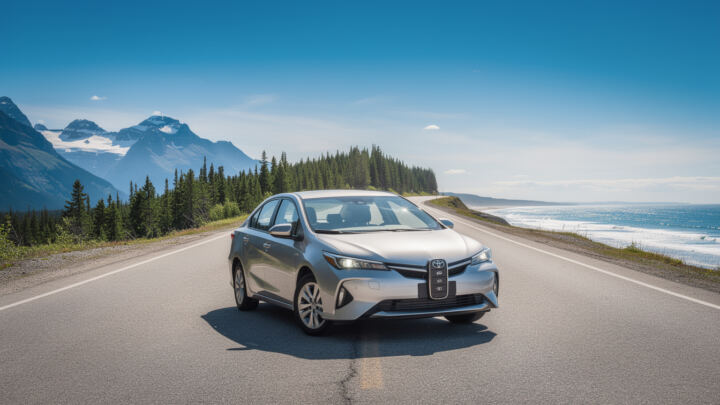
Unlimited mileage car rentals sound like the ultimate travel hack: pay one price, drive as far as you want, and never glance nervously at the odometer. In 2026, that promise is more common than ever—especially across the U.S.—but it still comes with fine print that can make or break your budget. The biggest surprise for many renters isn’t the “unlimited” part, it’s everything around it: airport fees that quietly inflate totals, one-way drop-off charges that can rival a plane ticket, and certain vehicle categories (hello, big SUVs and sports cars) that suddenly come with a mileage allowance after all. If you’re planning a multi-state road trip, an extended work assignment, or you just hate getting nickeled-and-dimed, understanding how unlimited mileage actually works will buy you real travel flexibility—and prevent those nasty extra charges that show up at return time.
- ✅ Unlimited mileage usually means no per-mile fees for standard cars—great for a long road trip 🚗
- 💸 Expect daily pricing roughly $30–$80 for common categories, but airport fees can add 10–15%
- ⚠️ Specialty vehicles often have a mileage allowance (150–250 miles/day is common) and pricey overages
- 🧾 Your rental policy is everything: it defines cross-border rules, one-way fees, toll handling, and return timing
- 📍 Location matters: the same vehicle rental can be dramatically cheaper in places like Orlando or Phoenix than NYC or San Francisco
- 🔎 The best deals come from comparing weekly vs daily rates for cost savings and confirming terms in your rental agreement
Unlimited Mileage Car Rentals Explained: What “Unlimited” Really Covers
In the simplest terms, unlimited mileage on car rentals means you can drive as many miles as you want without paying a per-mile penalty. There’s no daily cap and no “weekly maximum” waiting to surprise you when you return the keys. If you drive 120 miles to visit family or 3,200 miles chasing national parks, the mileage portion of the bill stays flat. That’s why unlimited mileage has become the default expectation for mainstream vehicle rental in the U.S., especially in the economy-to-standard range.
But here’s the part people miss: unlimited miles doesn’t mean unlimited everything. Your rental agreement still controls fuel rules, where you can drive, how tolls are billed, and what happens if you bring the car back late. So while the odometer won’t trigger extra charges, other line items still can—and do.
What it usually includes (and what it doesn’t)
On most standard rentals in the United States, unlimited mileage applies automatically to common classes like economy cars, compact sedans, midsize models, and many crossovers. The value is psychological as much as financial: you can take scenic detours, change plans mid-day, or add an extra city without doing mental math about overage fees. That’s real travel flexibility, and it’s the reason road trips remain so doable.
Still, “unlimited” doesn’t remove your responsibility for operating costs and rules. You’re still paying for gas, still accountable for tolls and tickets, and still bound by the terms of the rental policy. Off-road driving, for example, typically violates the contract even if mileage is unlimited. Unlimited miles don’t magically cover the consequences of taking a sedan onto a rocky trail.
A quick story that shows why the fine print matters
Picture Maya, a consultant who lands in Boston for a two-week assignment. She books what she assumes is a standard sedan with unlimited mileage. Midway through, she decides to drive to Pittsburgh for a client meeting, then swing down to D.C. to see friends. With a true unlimited plan, that spontaneity is “free” in mileage terms. But if she had accidentally booked a premium trim with a mileage allowance—say, 200 miles per day—she’d be staring at a painful bill. At $0.50–$0.65 per mile in overage (common on higher-end categories), those extra miles can cost more than the rental itself.
The insight that sticks: unlimited mileage is a feature, not a vibe. You need to see it written clearly in your booking flow and your rental agreement.
Unlimited Mileage Pricing in 2026: Typical Rates, Fees, and Real Cost Savings
The most confusing part of unlimited mileage car rentals isn’t the headline rate—it’s the total. In 2026, you’ll still see plenty of attractive daily pricing, but the all-in amount depends on where you pick up, how long you rent, and what category you choose. For standard vehicles, a rough real-world range is $30–$80 per day, but that can shift fast based on city demand, season, and how early you book.
Unlimited miles can deliver genuine cost savings, especially when you’re stacking long drives over several days. The trick is to compare the premium (if any) against what you’d pay with a mileage allowance. If a limited plan gives you 150 miles a day and charges $0.35 per mile after that, a 400-mile day adds 250 overage miles—or $87.50 in extra charges. That’s the moment unlimited starts looking like the bargain option.
Typical pricing bands (and what they feel like in the real world)
Economy cars often land around $30–$45/day with unlimited mileage included. They’re perfect for solo travelers and couples doing city-to-city drives, but long highway days can feel cramped. For some people, the comfort tradeoff isn’t worth it after day three.
Mid-size sedans commonly fall in the $40–$60/day zone. This is the sweet spot for many road trippers: better seats, quieter cabins, and good fuel economy. If you’re trying to balance comfort and budget, this category tends to deliver.
SUVs and larger vehicles can run $60–$100+/day. Smaller crossovers often keep unlimited mileage, while larger models (think full-size SUVs) can be more likely to come with restrictions during peak demand. If you’re booking a bigger ride for family space, confirm the mileage line item before you commit.
Airport convenience fees and one-way charges: the stealth budget killers
Airport pickup is convenient, but it often adds a noticeable layer of fees. A common pattern is 10–15% added to your total through facility and concession charges. It doesn’t mean airports are always a bad deal—sometimes competition keeps base rates low—but you need to price the final checkout screen, not the search results.
One-way rentals are where budgets go to die if you don’t plan. You may still get unlimited miles, but the drop-off charge can range from $50 to $500+ depending on distance and fleet logistics. In other words: unlimited mileage might protect you from per-mile billing, but it won’t protect you from the “we need the car back in another state” fee.
| Category 🚙 | Typical Daily Rate (Unlimited Miles) 💵 | Common Gotcha ⚠️ | Best Use Case 🧭 |
|---|---|---|---|
| Economy 🚗 | $30–$45 | Less comfort on long drives | City hopping, short road trips |
| Mid-size sedan 🚘 | $40–$60 | Rates rise fast last-minute | Balanced comfort + cost savings |
| Standard SUV 🚙 | $60–$100+ | Some larger models may have a mileage allowance | Families, luggage-heavy travel |
| Luxury / Sports 🏎️ | Varies (often high) | 150–250 miles/day + high overage fees | Short premium experiences |
If you want one practical rule: when your plan includes multiple 300–500 mile days, unlimited mileage tends to be the simplest way to keep your costs predictable.
Once you understand pricing, the next step is choosing the provider whose rental policy actually matches how you’ll drive.
Company Policies in Practice: Enterprise, Budget, Avis, Hertz, and SIXT
Most major brands advertise unlimited mileage, but they don’t all apply it the same way. The differences show up in vehicle categories, one-way rules, and how clearly mileage terms are displayed during booking. If you’re comparing car rentals, don’t just look at the daily number—look at how the rental policy behaves when you pick a premium model, add a cross-border plan, or shift to a one-way itinerary.
Enterprise: broad unlimited mileage on standard classes
Enterprise is known for making unlimited mileage pretty straightforward in the U.S. and Canada for everyday categories—economy, compact, midsize, and many standard SUVs. That makes it a comfortable choice for a classic multi-state road trip where you don’t want to micromanage miles.
Where things can get tricky is with larger specialty vehicles and certain one-way rentals. Big vans and premium SUVs may carry caps like 200–300 miles per day, depending on the specific location and demand. Also, one-way fees can vary dramatically. It’s not unusual to see anything from $50 to several hundred dollars if you’re dropping far from the pickup city.
Budget: value-focused, but trucks can be capped
Budget usually delivers unlimited mileage on standard cars and many crossovers, which is why it often shows up as the “best deal” in price comparison tools. But if you’re renting a pickup truck, pay attention: it’s common to see a daily mileage allowance around 100–150 miles, and then an overage rate (often roughly $0.35/mile). For hauling jobs that stay local, that’s fine. For a long-distance drive, it can get expensive fast.
A smart move is to decide what you’re really renting for. If you’re moving gear across a city, a capped truck might be fine. If you’re doing a 900-mile weekend loop, you want the contract to say unlimited mileage in plain English.
Avis: clear display of mileage terms, stricter on luxury
Avis tends to be transparent in the booking process about mileage terms. You’ll often see unlimited mileage marked clearly for standard categories, and you’ll also see the exceptions spelled out. That matters because Avis frequently applies caps to premium sedans, convertibles, and sports models. Daily limits like 150–250 miles are common on those categories, and the extra charges can be steep—often in the $0.45–$0.65 per mile ballpark.
If you rent often, joining a loyalty program can help; some status tiers occasionally improve terms or unlock better options. The core takeaway: Avis is great when you stay in the standard categories, but you need to read closely when you go upscale.
Hertz: improving unlimited-mile options, but “Dream Cars” are different
Hertz has been strengthening its offer, and unlimited mileage is generally solid for mainstream classes in the U.S. Where Hertz draws a bright line is its specialty collections. Exotic or “dream” vehicles are designed for controlled use, so caps are normal there. Trucks and cargo vans also frequently come with daily limits, though business programs can sometimes negotiate better terms.
If you’re renting internationally, Hertz is a reminder that unlimited mileage isn’t universal. In parts of Western Europe it’s common on standard cars, while in other regions it’s much less available. Always verify before booking.
SIXT: competitive unlimited miles, but watch high-end exceptions
SIXT has a slightly different vibe—more European, more design-forward fleet, and a strong push in U.S. markets. They often include unlimited mileage on many categories, including some one-way rentals, which can be a big win for travel flexibility. Like everyone else, they tend to cap exotics and high-end luxury sedans (often 150–200 miles/day).
The big insight: the brand name doesn’t guarantee the same mileage rules across the fleet. Your specific vehicle class is what decides your mileage allowance.
With provider differences in mind, the next question is where you can actually take the car—and what “allowed” really means on a long route.
Road Trip Freedom: State Lines, One-Way Routes, and Cross-Border Driving
For most travelers, the real point of unlimited mileage is the ability to roam. In the U.S., you can generally drive across state lines without hassle. Standard rentals from the big brands typically allow travel throughout the continental United States, and the unlimited mileage feature doesn’t suddenly change when you cross from Arizona into Utah. That’s the whole appeal: you plan the route you want, not the route your mileage allowance forces you into.
Where people get tripped up is confusing mileage with geography. Your miles may be unlimited, but your rental agreement may still restrict certain areas, road types, or cross-border movement depending on the company and location.
Round-trip vs one-way: the same freedom, different billing
Round-trip rentals (returning to the same location) are the cleanest version of unlimited mileage car rentals. Your price is predictable, you avoid drop fees, and you can drive as much as you like within the permitted area.
One-way rentals keep the mileage freedom for many standard cars, but you pay for the convenience. The one-way fee can range from modest to brutal depending on demand and fleet balancing. If you’re doing a coast-to-coast one-way drive, you might see fees that hit $500 or more—especially in peak season. It’s not a scam; it’s logistics. That doesn’t make it hurt less.
Canada and the cross-border question
Cross-border travel between the U.S. and Canada is often allowed on standard vehicles, and mileage typically remains unlimited if the contract permits the trip. Still, you want the permission in writing. Border agents don’t care that you “thought it was fine,” and rental companies don’t either.
If your plan includes crossing borders, call ahead and confirm the allowed countries and any documentation requirements. Sometimes the company needs to note the cross-border travel on the contract. It’s a five-minute task that can save hours of stress.
Insurance and compliance: the unsexy part that matters
Even with unlimited mileage, insurance requirements and liability minimums can vary from state to state. Your credit card coverage or personal policy may follow you, but it’s smart to verify. If you’re driving from a low-minimum-liability state into one with different requirements, the “it’ll probably be fine” approach is a risky bet.
Bottom line: unlimited miles gives you movement, but the rental policy gives you permission. When those two align, your road trip gets a lot more fun.
Spotting Mileage Traps: Vehicles and Situations That Still Have Caps
Unlimited mileage is common, but it isn’t universal. The biggest misunderstandings happen when renters assume every category works the same way. In reality, rental companies use mileage limits to control wear and tear on expensive, high-demand, or high-maintenance vehicles. So yes, you might see unlimited miles on a midsize sedan sitting next to a premium car that has a strict mileage allowance.
If you’re trying to avoid extra charges, you need to know what categories are most likely to be limited—and how to detect it before you pay.
Vehicles that often come with a mileage allowance
- 🏎️ Luxury sedans and premium trims (often 150–250 miles/day, with high overage rates)
- 🛻 Pickup trucks (commonly 100–150 miles/day at many locations)
- 🚐 Large passenger vans like 12-seaters (frequently capped, since they’re expensive to maintain)
- 🚚 Moving trucks (usually charge per mile separately from the daily rate)
- 🏝️ Some tourist-heavy regions (Hawaii is a well-known place where caps can appear even on standard cars)
How caps become expensive fast (a quick example)
Let’s say you rent a premium car with a 200-mile daily mileage allowance and a $0.60 per-mile overage. You drive 380 miles that day—pretty normal if you’re doing a scenic coastal loop. That’s 180 overage miles, or $108 in extra charges for one day. Do that three times and you’ve added over $300 to the bill, without upgrading anything else about the experience.
This is why “cheaper daily rate” can be a trap. A limited plan can look great until your itinerary starts behaving like, well, an actual road trip.
Where to look before you click “reserve”
Most booking flows show mileage details somewhere, but it can be subtle. Look for a clear “Unlimited Mileage” line item, and check the rate details page before checkout. If it’s not explicit, assume it may be limited and verify. Also, keep an eye on wording like “includes X miles per day,” which is your cue that a cap exists.
The key insight: the best way to avoid mileage surprises is to treat mileage terms like you treat cancellation terms—non-negotiable to understand before you pay.
Getting the Best Out of Unlimited Mileage: Booking, Driving, and Return-Day Tactics
Once you’ve locked in true unlimited mileage, the game shifts from “avoid per-mile fees” to “avoid everything else that inflates the total.” In practice, that means being intentional about fuel, tolls, documentation, and timing. None of this is complicated, but skipping it can erase the cost savings you worked for.
Booking strategies that actually move the needle
Weekly rentals often beat daily pricing in a way that’s hard to ignore. A car that’s $50/day might show up around $280/week, which is roughly a 20% improvement. If you know your trip is longer than five days, it’s worth testing weekly pricing in the same search. Sometimes the weekly structure also makes unlimited mileage more consistently applied across eligible categories.
Also, location pricing is real. The same standard car can be far cheaper in leisure-heavy markets like Las Vegas or Orlando than in high-density, high-cost cities like San Francisco or New York. If you can pick up outside an airport or even shift to a nearby suburb location, you may reduce fees and base rate together.
On-the-lot habits that save you headaches
Before leaving the lot, take photos and a quick video of the vehicle—exterior panels, wheels, windshield, fuel gauge, and the odometer. Yes, even with unlimited mileage. The more you drive, the more likely you’ll pick up a ding in a parking lot that wasn’t your fault, and the simplest protection is proof.
Fuel policy is another big one. Most rentals are “return it as you got it.” Prepaid fuel sounds convenient, but it’s usually priced above local market rates, and you don’t get a refund if you bring it back with extra gas. Filling up near the return location is typically the best-value move.
Tolls, admin fees, and the “convenience” upsell
Unlimited mileage doesn’t include tolls. Many companies offer electronic toll programs that automatically bill you later. The tolls themselves may be accurate, but administrative fees can add up. If you’re driving in toll-heavy areas, decide upfront whether you’ll use the rental’s toll program or handle tolls yourself where possible.
Return timing: don’t lose a day to a late fee
Late returns can trigger an extra day charge, plus penalties. Build a buffer for traffic—especially near airports. If you need more time, call before your due date to extend. Extensions are usually straightforward, and your unlimited mileage generally continues, but it needs to be recorded properly.
One last insight to carry with you: unlimited mileage is freedom on the road, but discipline at checkout.
Does unlimited mileage mean unlimited gas?
No. Unlimited mileage only removes per-mile fees. You still pay for fuel and typically must return the car with the same fuel level stated in the rental agreement.
Can I drive across state lines with unlimited mileage car rentals?
Yes, interstate travel is generally allowed across the continental U.S. for standard vehicle rental categories. Always confirm your rental policy for any geographic restrictions and keep your documentation handy.
Do luxury cars and convertibles always include unlimited mileage?
Often no. Premium vehicles frequently come with a mileage allowance (commonly 150–250 miles per day) and higher extra charges per mile if you exceed it. Check the booking details and the rental agreement line by line.
Are one-way rentals unlimited mileage too?
Many standard one-way rentals still include unlimited mileage, but you may pay a one-way drop-off fee that can range from $50 to $500+ depending on route and demand.
Can two drivers share the same unlimited mileage allowance?
Yes. Unlimited mileage applies to the vehicle, not a single driver. As long as both drivers are listed on the rental agreement, they can share driving without affecting the mileage terms.