
En bref
- 🧭 A one-way car rental buys you flexibility, but the real game is managing drop-off fees and timing.
- 💸 The cheapest wins often come from relocation deals, neighborhood branches, and stacking legit membership discounts (AAA, AARP, Costco, corporate codes).
- 🗺️ Smart road trip planning means checking mileage rules, toll strategy, weather, and branch hours—before you’re stuck at a locked door.
- 🛡️ Treat car rental insurance like a checklist: liability rules, credit-card coverage, and what “decline” really means in practice.
- ⛽ Your fuel policy can quietly cost more than a hotel night if you return it empty or refuel at the wrong spot.
- 🚗 Better vehicle selection reduces stress and fees—common sedans are easier for fleets to rebalance than niche or luxury models.
- 📍 Always book with the correct rental return locations; “unauthorized returns” are where budgets go to die.
You know that feeling when a trip finally clicks—when you’re not looping back to where you started, and the route actually makes sense? That’s the whole appeal of a one-way car rental. It’s the travel equivalent of cutting the tag off a new shirt: suddenly you can just wear the plan instead of babying it. The problem is that rental companies know exactly how much you value that freedom, and they’ve built an entire ecosystem of surcharges around it—especially drop-off fees that seem to change based on moon phases, major events, and whether you dared to fly into the “wrong” airport.
So let’s make this practical. Imagine a fictional traveler, Maya: she’s doing long-distance travel from San Diego to Seattle, then flying home from there. She wants the ocean views, not a backtrack. Her first quote looks okay, then she sees the total and realizes the “inter-city fee” basically ate her seafood budget for a week. The good news: with a few sharp moves—choosing the right branch, monitoring price resets, stacking memberships, picking the right car class, and handling the return like a pro—Maya can keep the convenience and ditch the pain. That’s the vibe here: fewer gotchas, more miles, and the kind of rental car deals people brag about later.
One-way car rental basics that actually matter (and why fees get weird)
A one-way car rental is simple on paper: pick up in one place, drop off somewhere else. In reality, it’s a moving puzzle for the rental company. Their fleet has to be in the right cities at the right times, and when you break the “round-trip” pattern, you’re forcing them to rebalance. That’s why you’ll see drop-off fees (also called inter-city fees) that vary wildly—even for similar distances.
Here’s the thing most people miss: the fee isn’t purely about miles. It’s more like a “how annoying is this for our fleet today?” charge. Dropping a car in a major hub where the company can rent it again fast tends to be cheaper than dropping it in a small town where it’ll sit. Seasonality matters too. Moving a car out of a winter hot spot can be pricey; moving one into that hot spot might be discounted because you’re doing them a favor.
Authorized vs. unauthorized returns: the line you don’t want to cross
If you take nothing else from this section, take this: always book the trip as one-way from the start. That’s an authorized one-way, and the system prices it (sometimes painfully, but predictably). An unauthorized return is when you booked a round-trip and then decide mid-journey to drop the car somewhere else. That’s when companies can hit you with fees that feel personal—because they kind of are. It’s not just “an extra charge”; it’s a penalty for breaking the contract and forcing a last-minute logistics mess.
Maya’s example: she booked a round-trip out of San Diego because it looked cheaper, then thought she’d “sort it out later” in Seattle. Bad plan. The counter agent can sometimes convert it to a one-way, but the worst move is to just leave the car at a different branch and hope the universe is kind. Spoiler: the invoice won’t be kind.
When one-way rentals shine (and when they’re a trap)
They’re perfect for point-to-point travel: relocations, multi-city vacations, fly-in/fly-out itineraries, or when you’re combining driving with rail or flights. They’re also great if you’re avoiding a dull return leg—why redo the same highway just to “close the loop”?
The trap shows up when you’re trying to force a one-way in a market that doesn’t want it: peak dates, niche vehicles, or drop-offs in low-demand places. That’s when “convenience” becomes “why is this more expensive than my flight?” The insight: the best one-way rental is the one the fleet manager secretly wants you to do. Next, we’ll talk about how to reserve those “wanted” routes without headaches.
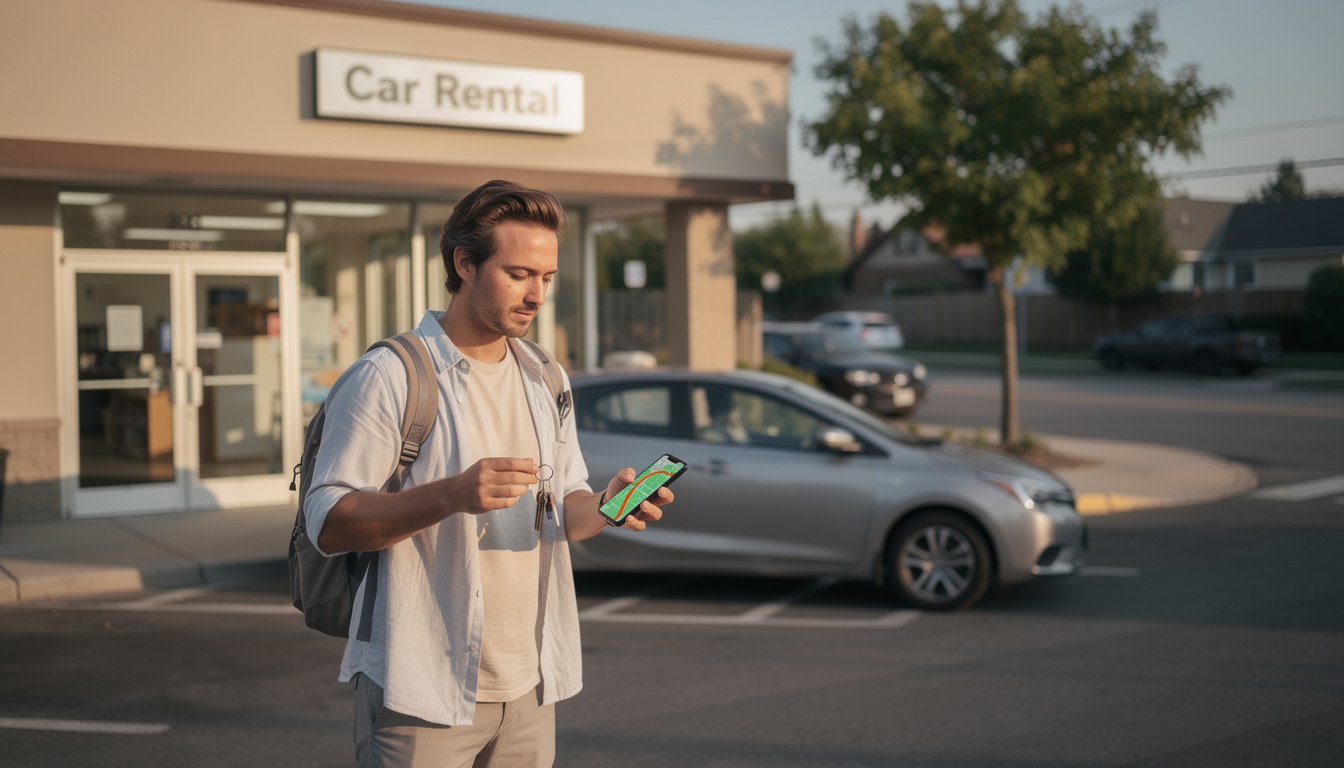
Road trip planning for one-way rentals: booking flows, timing, and route decisions
Good road trip planning for a one-way isn’t about romanticizing the highway; it’s about removing friction. Maya’s rule: if it can ruin the last day of the trip, she wants it solved before the first day. That means confirming branch hours, key-drop options, mileage rules, and how she’ll handle tolls and fuel.
Booking the right way: small toggles, big consequences
On aggregators and brand sites, there’s usually a checkbox like “return to a different location.” Use it. Then treat your pickup and drop-off choices as variables you can test. Maya tries three versions of the same idea:
- 🛬 Airport pickup → airport drop-off (convenient, often loaded with facility taxes)
- 🏙️ Downtown pickup → airport drop-off (often a sweet spot)
- 🏘️ Neighborhood pickup → neighborhood drop-off (sometimes the cheapest, but less flexible hours)
Here’s where car hire tips become real money: airports add concession fees and facility charges that can inflate totals. A short rideshare to a neighborhood branch can shave off a surprising amount, especially on multi-day rentals.
The “book early, then stalk the price” approach
For popular long-distance travel routes, booking 3–6 months ahead is a solid play because you’re grabbing inventory before demand spikes. But don’t stop there. Choose “pay later” or refundable rates when available, then check back regularly. Many travelers notice rate resets around early-week cycles; Maya’s habit is to re-check on Tuesdays and rebook if the total drops.
And yes, you can stack this with flexibility. If Maya can shift pickup time by two hours, she sometimes unlocks a cheaper bucket because the company has different fleet expectations by time-of-day. It feels silly until it saves you $120.
Route reality checks: tolls, weather, and the boring stuff that saves trips
One-way rentals often cross multiple toll systems. Rental toll programs can charge daily “convenience” fees on top of tolls, which adds up fast on a long route. If you have your own compatible transponder, it can be cheaper; if not, plan cashless tolls and keep the agreement clear.
Also: weather. A coastal route might be gorgeous but slower; mountain passes might be risky in shoulder seasons. Maya’s final insight here is simple: the best route is the one that matches your drop-off clock. Which leads perfectly into deal-hunting—because the route and the drop location strongly influence your price.
Next up: the tactics that turn a “wow that’s expensive” quote into a legit win.
Rental car deals in 2026: 12 practical hacks that reduce drop-off fees and total cost
Let’s talk tactics. The dirty secret of rental car deals is that the “best” rate is rarely the one you get by doing a single search and calling it done. It’s the one you get by thinking like fleet logistics: where do they have too many cars, where do they need cars, and how can your trip align with that?
12 hacks that work in the real world
- 🦄 Hunt relocation deals (sometimes advertised as drive-out specials). These can drop rates to near-token daily amounts because you’re moving inventory for them.
- 📆 Book early for cross-country, then re-check weekly; rebook if the total drops.
- 🏘️ Use neighborhood branches for pickup to avoid airport facility charges.
- 🛬 Consider dropping at an airport if your flight is tight, but compare totals both ways—sometimes the airport drop-off premium is worth the stress reduction.
- 🧾 Stack membership discounts: AAA, AARP, Costco Travel, corporate codes—run the same itinerary with each.
- 🚗 Keep vehicle selection boring: midsize/standard sedans are easier for fleets than convertibles or luxury trims, which often carry higher one-way surcharges.
- 🧩 Split the trip into two rentals: one-way for the transit days, local round-trip for destination days.
- 📍 Avoid high-surcharge zones (classic example: central Manhattan). Try nearby alternatives like Jersey City for drastically different totals.
- ☎️ Call the local branch when online inventory looks bad; agents sometimes see cars the website won’t show.
- 🕒 Adjust pickup/drop-off times by a few hours; it can change the pricing bucket.
- 🛣️ Confirm “unlimited mileage” in writing—some promos quietly cap miles.
- 📸 Document the car with a walkaround video at pickup and drop-off to avoid “mystery damage” charges later.
Maya uses #7 on her West Coast plan: she books a one-way from San Diego to Portland, then a local Portland rental for exploring the Columbia River Gorge, then another one-way up to Seattle. It looks like extra work, but the totals can come out lower than a single long one-way because the company prices each segment based on local fleet needs.
A quick comparison table you can actually use
| Factor | What to do ✅ | What it saves 💰 |
|---|---|---|
| Pickup location | 🏘️ Choose neighborhood branch over airport when possible | Lower facility taxes/fees |
| Drop strategy | 📍 Test multiple rental return locations (airport vs downtown) | Lower drop-off fees or better availability |
| Memberships | 🎖️ Apply AAA/AARP/Costco/corporate codes and compare | Discounts, waived add’l driver fees |
| Car class | 🚗 Pick common categories (midsize/standard) | Lower one-way surcharge risk |
| Rate monitoring | 📆 Book refundable then re-check (often early-week resets) | Price drops without losing your backup booking |
The insight to carry forward: you’re not just shopping price—you’re shopping the fleet’s mood. Next, we’ll get into the “fine print” items that can wipe out savings: insurance, fuel, and the return process.
Car rental insurance, fuel policy, and the hidden math of one-way rentals
This is where people lose money even after finding a decent base rate. A one-way contract adds complexity—different states, different risks, different timelines—and that makes car rental insurance and fuel policy decisions more than checkbox theater.
Insurance: what to decide before you reach the counter
Maya’s goal isn’t to buy every product; it’s to avoid the two classic disasters: being under-covered, or paying twice for the same protection. The counter pitch can feel urgent (“Do you want to be responsible for the full value of the vehicle?”), so it helps to arrive with a plan.
Break it down like this:
- 🧩 Liability coverage: In many places, the rental includes some minimums, but those limits might not match what you’d want in a serious accident.
- 🚘 Collision damage waiver (CDW/LDW): This usually limits what you owe if the car is damaged, but read what’s excluded (tires, glass, undercarriage can be special cases).
- 💳 Credit card coverage: Often collision-only, often secondary in the U.S., and usually requires you to decline the rental company’s coverage to activate it.
- 🧳 Personal effects: Typically not the best value unless your existing policies are weak.
A practical move: call your auto insurer and credit-card benefits line before booking. Maya does this once, writes down what’s covered, and keeps a screenshot. The insight: clarity beats confidence—because confidence evaporates when you’re tired at a counter.
Fuel policy: the easiest place to get quietly overcharged
Most one-way rentals work best with “full-to-full”: you pick it up full, return it full. The trap is returning it “almost full” and getting billed at a premium per gallon. On the last day of a one-way, people are racing to make flights or hit office hours, and that’s exactly how refueling charges happen.
Maya’s rule: she plans a fuel stop 5–10 miles before the drop-off, not right next to the airport where prices spike. If she’s dropping downtown, she targets a station that’s easy to enter/exit, not the cheapest on paper but a nightmare to access.
Returns: doing the last 10 minutes like a pro
One-way returns can be smooth, but only if you treat the final steps as part of the trip, not an afterthought:
- ⏰ Confirm the branch hours and whether after-hours key drop is allowed.
- 📸 Take timestamped photos/video of the car, fuel gauge, and odometer.
- 🧾 Keep the final receipt—especially if you’re disputing refuel or damage later.
That’s the money side. Next comes the “modern car” side: the stuff your rental stores about you, and how to wipe it before the next driver gets a free tour of your life.
Rental privacy and smart vehicle selection: protecting your data and your sanity
Cars in 2026 aren’t just cars. They’re rolling devices with big screens, Bluetooth pairing, voice assistants, and enough memory to keep a trail of your habits. On a one-way trip, you’re more likely to pair your phone for hours of navigation, calls, and playlists—so you’re more likely to leave personal crumbs behind.
What your rental can store (and why it matters)
Depending on the model, the infotainment system may retain your contacts, call logs, recent destinations, and saved “home” address. That’s not paranoia; it’s just how convenience features work. Maya once returned a rental and realized she’d saved her apartment as “Home” in the nav. That’s a tiny mistake with a weirdly big consequence: the next renter doesn’t need to be a hacker to benefit from that info.
The 2-minute data wipe before you hand over the keys
Before you finish the return, do this:
- 📵 Unpair Bluetooth devices (remove your phone from the car’s paired list).
- 🧭 Clear navigation history and saved addresses if the system allows it.
- 🧼 Use “Delete user data” / “Factory reset” in the settings menu when available.
Also sign out of any apps you logged into (some systems integrate streaming accounts). The insight: your road trip shouldn’t come with a data souvenir for the next driver.
Vehicle selection that matches the trip (not your ego)
Picking the right car isn’t just comfort—it can lower fees and reduce risk. For a long highway run, a standard sedan can be the best balance of cost, fuel economy, and availability. Bigger SUVs are great for families and gear, but they can increase total cost through higher base rates, higher fuel burn, and sometimes steeper one-way surcharges if the fleet is tight.
Maya’s “sanity spec” for one-way driving: adaptive cruise control if possible, solid headlights for late arrivals, and enough trunk space that luggage isn’t visible. She’ll take a Camry-class car over a flashy upgrade if it means simpler pricing and easier drop-off acceptance. Final insight: the best rental car is the one the company can easily rent again after you’re done.
Is a one-way car rental always more expensive than a round trip?
Usually, yes, because you’re often paying drop-off fees (inter-city fees) tied to fleet logistics. But relocation deals, seasonal demand shifts, and membership discounts can make a one-way cheaper than you’d expect—sometimes even competitive with a round trip.
How can I reduce drop-off fees without changing my whole trip?
Try different rental return locations (airport vs downtown vs neighborhood), adjust pickup/drop-off times by a few hours, and compare at least three brands. Also apply AAA/AARP/Costco or corporate codes—some rate plans reduce or cap drop-off fees on specific routes.
What fuel policy is best for one-way rentals?
Full-to-full is usually the best value. Avoid prepaid fuel unless you’re sure you’ll return nearly empty. Plan your final refuel 5–10 miles before the drop to dodge premium-priced stations and avoid refueling charges.
Do I need special car rental insurance for long-distance travel?
Not special, but you do need a clear plan. Check whether your personal auto policy covers rentals, what your credit card covers (often collision only, and sometimes secondary), and what the rental company’s CDW/LDW actually excludes. Decide before you reach the counter.
What should I do before returning the car to protect my privacy?
Unpair your phone, delete call and navigation history, and use the infotainment system’s ‘delete user data’ or factory reset if available. Modern rentals can store contacts and saved addresses, so a quick wipe is worth it.