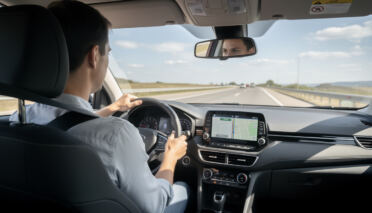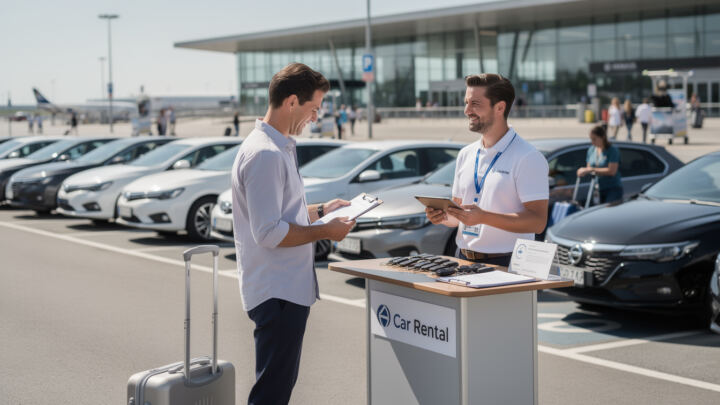
Airports are packed, hotel lobbies are buzzing, and suddenly that “quick car rental” turns into a high-stakes puzzle. During peak travel seasons, you’re not just competing with other travelers for the last decent compact car—you’re also navigating stricter rental policies, higher deposits, longer counters, and more pressure to say yes to upsells you don’t need. That’s exactly where people make costly mistakes: skipping a vehicle inspection, assuming their car insurance “probably covers it,” or booking the first thing that appears after a rushed cost comparison. The good news is you can absolutely get a safe rental without turning into a car-rental detective for weeks.
In 2026, dynamic pricing and limited inventory make it even more important to play it smart: hold a flexible reservation, track price swings, and show up prepared with a checklist so you don’t get rattled at the counter. To keep things real, we’ll follow a fictional traveler, Maya, who’s flying into a busy coastal city during a holiday weekend. She wants to get in and out fast, avoid surprise charges, and keep her trip stress-free. Along the way, you’ll get practical rental tips—the kind you can actually use when the line is 30 people deep and you just want the keys.
- 🧭 Plan for scarcity: during peak travel seasons, availability matters as much as price.
- 💸 Use cost comparison the right way: compare totals (fees + taxes), not just the headline rate.
- 🕒 Booking early can secure a car, but monitoring prices can still save money later.
- 📍 🚗 Pickups matter: alternative locations (off-airport, neighborhood branches) can be cheaper and calmer.
- 🛡️ Understand car insurance before you reach the counter so you can decline/accept coverage confidently.
- 🔍 Do a serious vehicle inspection: photos, video, and a quick checklist prevent “mystery scratches.”
- 📜 Read rental policies like a skeptic: fuel rules, tolls, deposits, late returns, extra drivers.
- 🧠 A safe rental is mostly about calm decisions under pressure—prep wins.
Peak travel seasons and car rental pricing: how to stay safe when demand spikes
When everyone travels at the same time—summer breaks, long weekends, winter holidays—the car rental market turns into basic economics in action. Demand shoots up, supply stays limited (there are only so many cars on a lot), and prices rise because companies know the next customer in line will probably pay it. That’s why Maya’s “normal” $55/day compact suddenly shows $110/day on a holiday weekend. Annoying? Yep. Predictable? Also yes.
But price is only half the story. In crowded periods, a safety issue creeps in: rushed turnover. Cars get cleaned faster, staff is stretched thin, and you’re more likely to be handed keys with minimal walk-through. That’s how people end up arguing about pre-existing damage or missing equipment. A safe rental starts with accepting the reality that peak season is a different environment—more pressure, more transactions, more mistakes.
Dynamic pricing, algorithms, and why “fair” doesn’t exist at the counter
By now, most big brands use algorithmic pricing that reacts to bookings, local events, and fleet levels. A music festival, a cruise ship arrival, or even a conference can tighten inventory and lift rates overnight. It’s not personal, and nobody at the counter can “override the system” for you—so the safest move is to shop early, then keep watching for dips.
Maya’s tactic is simple: she grabs a cancellable “pay later” reservation early to secure availability, then checks prices weekly. If the total drops, she cancels and rebooks. It’s a practical middle ground between booking early for peace of mind and still chasing savings when the market wiggles.
Why scarcity increases risk (and how to avoid getting stuck)
The biggest peak-season danger isn’t paying more—it’s showing up and finding out there’s no car. Overbooking and delayed returns happen. If you absolutely need wheels (remote lodging, no transit, limited rideshare), you want a confirmation number and a plan B. Maya saves screenshots of her reservation, keeps the local branch phone number, and arrives earlier in the day—because late pickups are where inventory “mysteriously” disappears first.
One more smart safety move: if the desk tries to push you into a different category, slow down and ask what changes. Is it just an upgrade, or does it change fuel type, handling, or insurance requirements? The calmer you stay, the safer your choices will be. The key insight: peak travel seasons reward preparation more than luck.
Booking early vs booking late in 2026: the safest strategy is flexible, not stubborn
You’ve probably heard “book early to save money.” For flights and hotels, that’s often true. For car rental, pricing can behave differently. A well-known analysis from mid-2024 found that, on average, weeklong rentals booked closer to pickup could be cheaper than those booked months ahead—by a noticeable margin. In plain terms: some companies discount late to fill cars, especially if demand forecasts were too optimistic.
Still, during peak travel seasons, the “wait until the last minute” strategy is like gambling with your vacation. The price might drop… or the lot might be empty. The safest approach is what Maya does: reserve early for availability, but don’t marry the first price you see.
A practical “lock it in, then shop it” routine
Here’s how Maya runs it without obsessing. She books a reservation that lets her pay at pickup (often easier to cancel without fees). Then she sets price alerts on a couple of platforms and checks once a week. If the price drops, she rebooks the same class and cancels the old one. That way she keeps a guaranteed ride and still benefits from last-minute discounting if it shows up.
To keep the decision clean, she compares total cost, not the base rate. Taxes, location surcharges, concession fees, and “facility charges” can flip the winner. This is where cost comparison becomes real, not just clicking the cheapest number.
Use timing to reduce stress (weekday pickups and calmer counters)
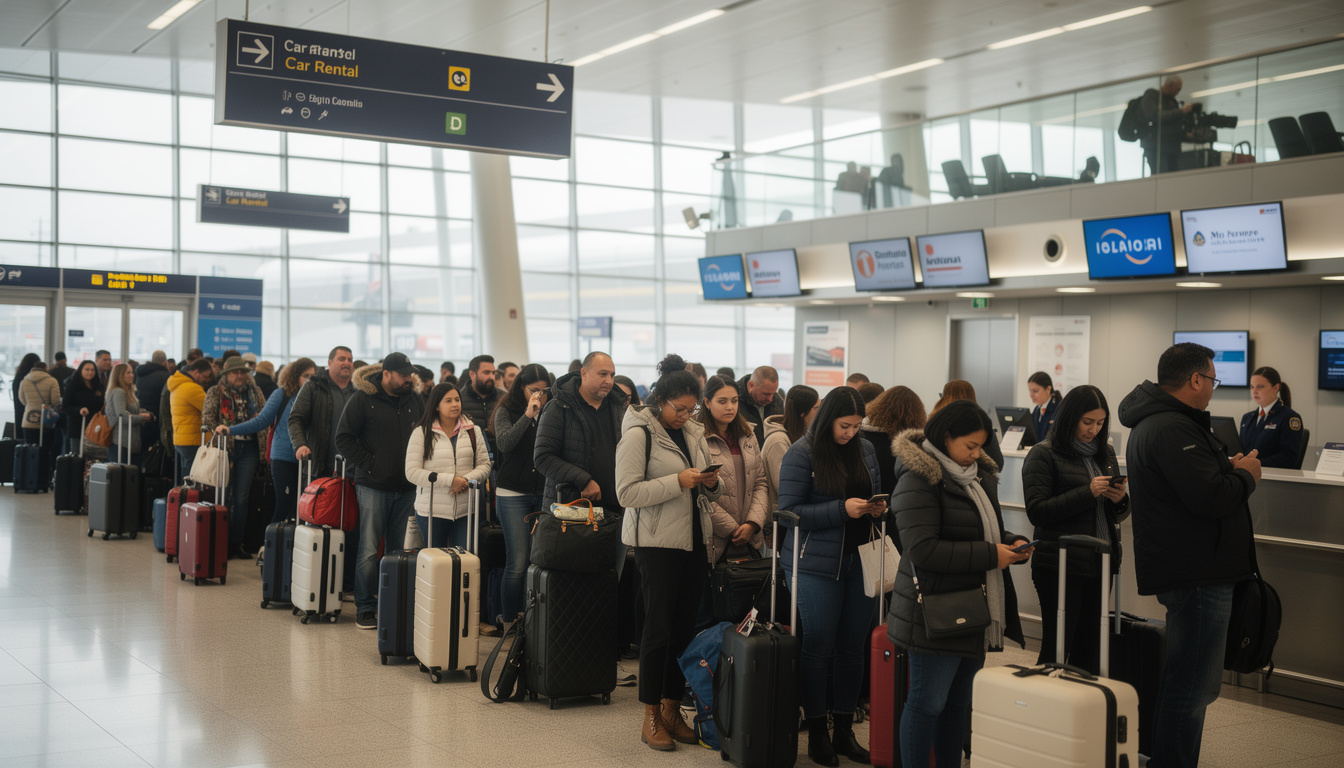
Peak weekends often mean long lines and rushed staff. If you can, pick up on a weekday morning. Even shifting pickup from Friday evening to Thursday night can change availability and how much attention staff can give you. And attention matters when you’re trying to confirm the condition of the car and understand rental policies before driving off.
If your itinerary is flexible, consider returning the car on a weekday too. Some locations get slammed Sunday afternoon; that’s when you’re most likely to feel pressured to do a sloppy drop-off, which is exactly when “damage disputes” get messy. Safety isn’t only about driving—it’s about documentation and timing.
Before you move from booking to pickup, it helps to see what experienced travelers do in real time. This next piece is a quick visual refresher on what to look for at the counter and on the lot.
Pickup location tactics for a safe rental: off-airport wins, if you plan it right
Airport locations are convenient, but they’re also high-volume and fee-heavy. During peak travel seasons, that combo can mean higher totals and more rushed interactions. Maya compares an airport pickup with a neighborhood branch 15 minutes away. The off-airport option is often cheaper because it may avoid certain airport-related charges, and the lot can be calmer—which is great for doing a careful vehicle inspection.
How to choose an alternative pickup spot without creating new problems
Switching locations only helps if it fits your logistics. Maya checks opening hours first (some neighborhood branches close earlier), then confirms how she’ll get there (shuttle, transit, rideshare). She also thinks about safety basics: well-lit area, easy parking if she’s returning after dark, and whether the route out of the lot is straightforward.
She also reads the pickup process in the booking details. Some branches require the physical credit card used to reserve. Some place larger holds on certain cards. In 2026, identity checks and fraud prevention can be stricter in busy markets, so bring your driver’s license, booking confirmation, and the card you plan to use—no improvising.
Quick checklist: safer pickup behavior when the lot is chaotic
- 📸 Take time-stamped photos of all sides, wheels, windshield, roofline, and interior.
- 🎥 Record a slow walkaround video with narration: “front bumper scratch,” “rim scuff,” etc.
- 🔦 Use your phone light to check for paint transfer, cracks, and curb rash.
- 🧾 Match the fuel level and mileage to the paperwork before leaving.
- 🛞 Confirm the spare/tire kit policy (some cars don’t include them anymore).
- 📍 Ask where to return after hours and what counts as “on time” (grace periods vary by rental policies).
This isn’t paranoia—it’s self-defense. Maya once watched a traveler argue over a scratch that was clearly old. Ten minutes of documentation would’ve ended the debate instantly. The final insight here: a calmer pickup location often makes a safer rental, even if it’s slightly less convenient.
Car insurance and rental policies: avoid the counter-pressure trap (and stay covered)
The rental counter during peak travel seasons can feel like a speedrun: sign here, initial there, “Do you want coverage?” Meanwhile, there’s a line behind you and you just want to get moving. That’s exactly why insurance decisions go wrong. A safe rental means you decide your car insurance approach before you arrive, not while someone is waiting for your signature.
Know the big buckets of coverage (in normal human language)
Most rental add-ons fall into a few categories. Collision/loss damage waivers deal with damage or theft of the rental car (often with exclusions). Liability coverage deals with damage/injury you cause to others. Personal effects coverage covers stolen items (often with limits). Then you’ve got roadside assistance packages that may overlap with what you already have.
Maya checks three things in advance: her personal auto policy (if she has one), her credit card benefits (some cards offer coverage when you pay with them and decline the rental waiver), and what the rental company includes by default in that location. The goal isn’t to pay zero—it’s to avoid paying twice for the same protection, or worse, assuming you’re covered when you’re not.
Membership discounts and perks that also improve safety
People think memberships are only about price, but they can also reduce friction. Programs like warehouse clubs or auto clubs sometimes unlock discounted rates, and some affiliations may allow an additional driver at no extra cost—useful if you’re splitting driving to reduce fatigue (a real travel safety win). Corporate codes can do similar things, but make sure you’re eligible; using ineligible discounts can create headaches at pickup.
Here’s a simple table Maya uses to evaluate what matters besides price.
| Factor 🧩 | What to check 🔍 | Why it matters for a safe rental 🛡️ |
|---|---|---|
| Price total 💸 | Taxes, facility fees, surcharges | A “cheap” deal can hide expensive extras that pressure rushed decisions later |
| Insurance terms 🧾 | Deductibles, exclusions, claim steps | Clarity now prevents panic after a minor scrape |
| Extra driver rules 👥 | Fees or free add-ons via memberships | Sharing driving reduces fatigue and improves travel safety |
| Fuel policy ⛽ | Prepay, return-full, or “we refuel” | Avoid surprise refueling charges and time crunch returns |
| Cancellation flexibility 🔁 | Pay-later vs prepaid, deadlines | Lets you rebook if a better rate appears after cost comparison |
How to say “no” to add-ons without being awkward
Upsells aren’t evil; sometimes they’re useful. The problem is autopilot. Maya uses one sentence: “I’m covered for that already—please leave it off.” If she’s not covered, she asks for the price and the exact name of the product, then decides. No arguing, no rambling, just calm clarity.
Also, watch for pre-checked boxes on digital screens. During busy periods, it’s easy to miss that you agreed to roadside assistance, satellite radio, or “premium insurance bundle.” The takeaway: your safest insurance choice is the one you understood before you tapped ‘accept’.
Next up: what actually happens on the lot and on the road—because paperwork is one thing, but real-world driving during holiday traffic is another.
Vehicle inspection, driving habits, and travel safety during peak travel seasons
If there’s one moment that decides whether your car rental experience stays smooth, it’s the first five minutes with the vehicle. During peak travel seasons, cars cycle quickly between renters, which increases the odds of minor dings, worn tires, or missing accessories going unnoticed. The vehicle inspection isn’t about being picky—it’s about making sure you’re not blamed for yesterday’s damage and that you’re not driving something sketchy.
The inspection flow Maya uses (fast, thorough, and hard to dispute)
Maya does the walkaround before she loads luggage. She checks bumpers (most common scrape zone), wheels (curb rash is everywhere), windshield (chips spread), and mirrors. Then she sits inside and checks warning lights, wipers, and that the phone charging ports actually work—because getting stranded with a dead phone at night is a legit travel safety issue.
She photographs the fuel gauge and dashboard mileage with the rental agreement visible in the frame if possible. If she sees damage, she gets it noted on the paperwork or documented via the company’s app. If staff says “don’t worry about it,” she worries about it anyway—politely—and documents it.
Driving safer when roads are crowded and everyone’s impatient
Peak-season traffic has its own vibe: more out-of-town drivers, more sudden lane changes, more distracted navigation. Maya sets up her route and downloads offline maps while still parked. She also avoids fiddling with the infotainment system on the move—new car models vary, and a simple “where’s the defrost?” moment can become a dangerous distraction in rain.
She also plans fuel stops earlier than usual. Not because the car can’t make it, but because gas stations near tourist corridors can get slammed. Rolling in on fumes with stressed drivers around you is not the moment you want to be making decisions.
Returning the car without drama (the overlooked safety step)
Return is where people get lazy. Maya does a quick final walkaround, snaps photos again, and keeps the final receipt. If she’s returning after hours, she takes a photo of the car in the drop area plus the key drop slot. It’s boring—until it saves you from a surprise claim two weeks later.
And if you’re traveling with companions, she assigns roles: one person checks the trunk, one films the walkaround, one confirms the return time window. The parting insight: a safe rental ends with proof, not hope.
Is booking early always the best move for a car rental during peak travel seasons?
Not always. Prices can drop close to pickup, but availability can also vanish. A safer strategy is to reserve early with a flexible (often pay-later) option, then monitor rates and rebook if the total price falls.
What’s the most important vehicle inspection step that people skip?
Documenting everything. Take a walkaround video plus photos of common damage zones (bumpers, wheels, windshield) and the dashboard (fuel and mileage). If damage exists, get it recorded in the rental system before you leave.
How do I avoid paying for add-ons I don’t need at the counter?
Decide your car insurance plan ahead of time, read screens carefully for pre-selected options, and ask for the total price breakdown. If you’re declining an add-on, use a simple, firm line like: “I’m covered already—please remove it.”
Do alternative pickup locations really help with safety and price?
Often, yes. Off-airport or neighborhood branches can have lower fees and a calmer environment for proper inspection. Just confirm hours, transport to the branch, card/ID requirements, and after-hours return rules in the rental policies.