In brief
- 💸 Cost savings can be real—especially on city driving and longer routes where electricity beats gasoline on price-per-mile.
- 🌿 Environmentally friendly travel is simpler with zero emissions at the tailpipe and more access to renewable energy-powered charging.
- ⚡ EV driving feels quick and smooth thanks to instant torque, plus you get a calmer cabin and less noise.
- 🛡️ Modern driver assistance features can make trips less stressful, especially in heavy traffic and unfamiliar cities.
- 🔌 Charging has gotten easier: apps, in-car maps, hotel chargers, and fast-charging corridors change how you plan breaks.
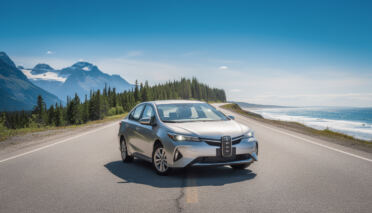
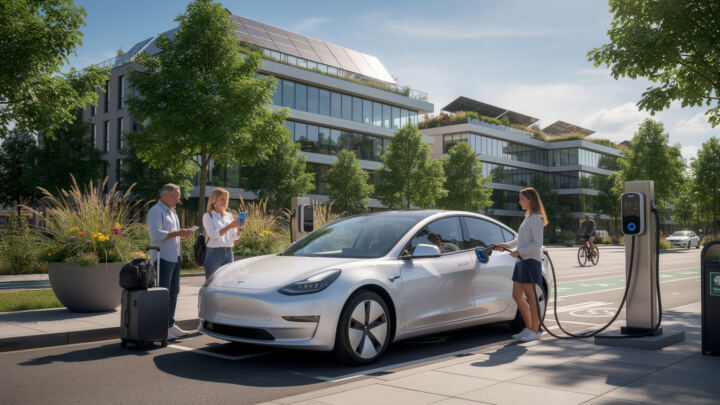
Electric car rentals have quietly shifted from “quirky alternative” to a genuinely practical travel option. A few years ago, renting an EV mostly appealed to early adopters who wanted to try something new. Now it’s also for people who simply want a smoother drive, fewer stops, and better control of trip costs. The funny part is that the biggest change isn’t only the cars—it’s everything around them: charging networks near cafés, hotels adding overnight chargers, and rental desks getting better at handing over a vehicle that doesn’t run on liquid fuel.
In 2026, the conversation is less about “Can you do it?” and more about “Why wouldn’t you, at least sometimes?” The mix of fuel efficiency (measured in energy-per-mile rather than mpg), strong performance, and an increasingly user-friendly charging experience makes electric rentals feel mainstream. Add the fact that many drivers want sustainability without buying a new car, and rentals become the low-commitment gateway to green transportation. And yes, there are still situations where a gas car might be easier—but the advantages of electric car rentals are no longer niche; they’re trip-defining.
Electric Car Rentals: Real-World Cost Savings Without the Gas-Pump Routine
The first advantage people notice is money—or more specifically, how the spending shifts. With electric car rentals, you may sometimes see a slightly higher daily rate, especially for high-demand models. But the big swing comes afterward: you’re not buying gasoline. On a typical vacation loop—airport pickup, hotel, day trips, a couple of long drives—fuel is often the sneaky budget buster. With an EV, that line item shrinks or even disappears if your lodging includes charging.
Electricity prices vary by region and by charging type, but the general trend holds: the cost-per-mile often drops meaningfully. Many travel guides still cite a ballpark of around 60% lower energy cost per mile versus gas for comparable driving. That won’t be identical in every city, and fast-charging can cost more than home charging, but even then you’re trading a volatile gas station experience for something more predictable and easier to plan.
Where the savings show up fastest: stop-and-go cities
City driving is where EVs can feel like they’re cheating. Regenerative braking turns deceleration into recovered energy, and in heavy traffic you’re not burning fuel while idling. Drivers often notice that the battery percentage falls more slowly than expected in urban loops, because the car is constantly recapturing momentum. If you’ve ever watched your vacation time evaporate in a gas line near a tourist district, the contrast is pretty sweet.
A quick comparison table you can actually use
| Factor | Electric rental (EV) | Gas rental (ICE) |
|---|---|---|
| Energy cost per mile | 💸 Often lower; can approach ~60% savings depending on rates | ⛽ Usually higher; sensitive to gas price spikes |
| Stops during trip | 🔌 Fewer “emergency” stops; charge while you eat/shop | 🧾 Refuel stops are separate errands |
| Driving efficiency in traffic | 🚦 Strong; regen helps in stop-and-go | 🛑 Weak; idling wastes fuel |
| Maintenance risk on the road | 🧰 Typically lower thanks to reduced maintenance | 🔧 More mechanical complexity |
Example: Mia’s “budget reset” weekend
Picture Mia, a consultant flying into Phoenix for a three-day conference, then tacking on a weekend in Sedona. With a gas car, she’d likely fill up once near the airport (because “just in case”), top up again before the desert drive, and maybe one more time heading back. In an EV rental, she charges overnight at a hotel with chargers, does a fast-charge during a lunch stop, and never thinks about a gas station. Her trip doesn’t magically become free, but the cost savings show up as fewer add-on purchases—and fewer minutes wasted.
Once you see how money and time move together, the next advantage becomes obvious: the environmental side isn’t just a moral bonus; it’s part of a more modern travel style.
Environmentally Friendly Travel: Zero Emissions at the Tailpipe and a Cleaner Trip Mindset
If you care about sustainability, rentals are one of the easiest ways to align your trip with your values without making a long-term purchase. An EV produces zero emissions from its tailpipe, which is especially relevant in dense downtown corridors and tourist areas where air quality matters. When you’re walking a historic district or hiking near a busy scenic road, fewer local pollutants is not an abstract idea—it’s literally the air around you.
In the U.S., transportation has long been one of the largest contributors to carbon pollution, a point the EPA has emphasized for years. While the full climate math depends on how electricity is generated, the practical reality for travelers in 2026 is that many grids have increased their share of renewable energy. That means your “fuel” is trending cleaner over time in a way gasoline simply can’t match. Even if you don’t track grid percentages, the direction of travel is clear: plugging in is getting greener.
Green transportation without the preachy vibe
There’s a misconception that choosing green transportation requires sacrifice—smaller cars, slower acceleration, uncomfortable rides, constant planning. Modern EV rentals flip that script. You can drive something spacious, quick, and packed with tech while still reducing local pollution. That’s why renting works: it lets you “try on” cleaner mobility during the exact moments you’re already open to new experiences (new city, new routines, new food).
Charging stops can become local exploration
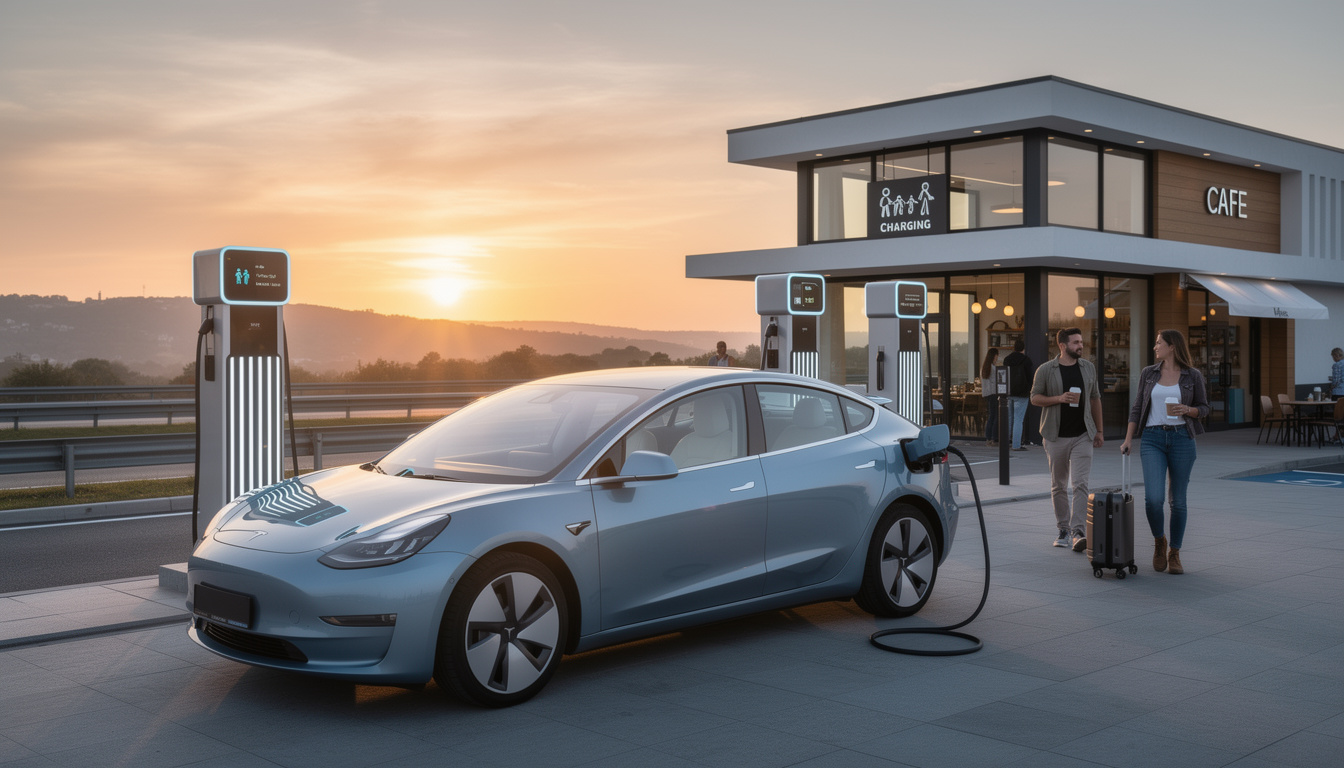
One underrated environmental side effect is behavioral: charging nudges you toward intentional breaks. Many chargers sit near restaurants, cafés, bookstores, and shopping areas because drivers need something to do for 15–40 minutes. Instead of circling for parking right in the most congested block, you stop slightly outside the core, walk a bit, and discover places you wouldn’t have found. It’s not saving the planet by itself, but it does make the trip feel less extractive and more connected to the places you pass through.
Practical tips that keep it eco-friendly (and not annoying)
- 🌱 Choose hotels with onsite charging so overnight top-ups happen while you sleep.
- 🗺️ Plan fast-charges around meals—your “fuel stop” becomes your lunch break.
- 🔋 Don’t chase 100% on fast chargers unless you truly need it; charging slows near full.
- ⚡ Use the car’s route planner so it preps the battery for fast charging when available.
The biggest takeaway: being environmentally friendly doesn’t need to feel like homework. It can just be the default setting for how you move around—especially when performance and comfort are also better.
And speaking of comfort, the next advantage is the one people rave about after their first day behind the wheel: the way an EV actually drives.
Performance and Driving Feel: Why Electric Rentals Make Trips Less Tiring (and More Fun)
Here’s the part that surprises drivers who expected an EV to feel like an appliance: electric cars can be genuinely fun. Instant torque changes how the car responds in everyday moments—merging onto a highway, slipping into a gap in traffic, climbing a steep grade without drama. Many models hit 0–60 mph in under six seconds, which isn’t just a bragging-rights stat; it translates into confident passing and smoother merges when you’re in unfamiliar territory.
That responsiveness also supports fuel efficiency in the EV sense: you can accelerate decisively and then settle into a steady pace without the constant gear-hunting sensation some gas cars have on hills. It feels controlled. It feels calm. And on a long drive, that calm matters.
The quiet cabin advantage (yes, it’s real)
Noise is a hidden stressor. Gas cars commonly land in the 70–90 decibel range during typical operation, while EVs often sit closer to the 50–60 range at comparable moments. In plain terms: less engine roar, less vibration, less fatigue. If you’re traveling with kids, the difference shows up as fewer “my head hurts” complaints. If you’re traveling for work, it can mean you arrive less drained.
Quiet also makes the trip feel higher-end. You hear your playlist better at lower volume. You can talk without raising your voice. And if you’re driving along a coastal road or through a national park approach, you can actually enjoy the soundscape you came for.
Regenerative braking: one-pedal driving that actually helps your body
Regenerative braking is both a comfort feature and a smart energy trick. Ease off the accelerator, and the car slows while feeding energy back into the battery. In stop-and-go traffic, it reduces the constant pedal switching, which can cut leg fatigue and cramps on long days. Most EVs let you tune regen strength or disable it if you prefer a more traditional feel.
One practical note travelers appreciate: in snowy conditions, some drivers switch regen down to reduce the chance of a sudden deceleration upsetting traction. That’s not a flaw—it’s just part of learning how your rental is configured, like figuring out windshield wipers in a different brand.
Storage: the “frunk” effect on real trips
EV packaging often creates more usable space, including under-floor trunk storage and, on many models, a front trunk (“frunk”). For a family, that can mean separating muddy hiking shoes from clean luggage. For business travel, it can mean keeping gear accessible without turning the cabin into a closet. It’s a small thing, but it reduces friction—and friction is what ruins travel days.
Once the drive feels easier and the car holds more, the next question becomes: is it also safer and simpler to live with as a rental? That’s where modern EV tech really shows off.
Safety and Reduced Maintenance: The Low-Drama Advantage of Renting an EV
Safety features in modern vehicles are improving across the board, but EVs often show up in rental fleets with newer model years and more advanced packages. That matters because rentals are frequently used in unfamiliar places: strange intersections, confusing exits, unpredictable pedestrians, and weather you didn’t pack for. Having technology that reduces the mental load can make the whole trip feel more secure.
Driver assistance that actually helps on vacation
Common features include automatic emergency braking, lane-keeping assistance, blind-spot monitoring, and adaptive cruise control. In the real world, these aren’t “self-driving.” They’re more like a second set of eyes that can nudge you back into the lane when you’re distracted by a new city’s signage, or alert you when a car is lurking in your blind spot as you try to exit a busy roundabout.
For families, it’s peace of mind. For solo travelers, it’s backup. For everyone, it reduces the “I’m tense and gripping the wheel” feeling that sometimes comes with driving in a brand-new environment.
Reduced maintenance means fewer trip interruptions
One of the least glamorous but most valuable benefits is reduced maintenance. EVs have fewer moving parts than internal combustion cars: no oil changes, no exhaust system issues, fewer fluids and belts to worry about. For a rental customer, the main win is fewer surprise problems that turn into calls to roadside assistance. Rental companies still maintain their fleets, obviously, but simpler hardware tends to mean fewer things that can go wrong mid-trip.
A quick story: the “no-dashboard-drama” rental
Think about Leo, traveling with his parents to visit colleges. The itinerary is packed, and the last thing he wants is a check-engine light or a weird vibration on day two. With an EV, his “maintenance tasks” are basically none. He checks tire pressure visually, plugs in at the hotel, and spends his brainpower on maps and schedules. That’s the underappreciated luxury: fewer mechanical unknowns.
Safety checklist for pickup (takes five minutes)
- 🛡️ Confirm how to enable/disable lane assist and adaptive cruise (some people prefer different settings).
- 🔌 Ask which charging networks the car is optimized for and whether a charging card/app is needed.
- 📍 Save the nearest fast charger to your hotel in the car’s navigation.
- 🧊 If weather is cold, ask about regen settings and any “snow mode.”
With safety and reliability covered, the final advantage is about the user experience: charging, planning, and the sheer convenience of making the car fit your day instead of the other way around.
Convenience and Trip Planning: Charging, Apps, and the New Rhythm of Travel
The word convenience gets thrown around, but for electric car rentals it has a specific meaning: fewer mandatory errands. Gas cars force a particular rhythm—find a station, refuel, maybe go inside, then leave. EVs let you stack tasks. You charge while you eat, while you shop, while you sleep. That “parallel time” is what makes an EV rental feel modern once you get used to it.
Charging isn’t hard—it’s just different
Most rental drivers discover there isn’t a scary learning curve. You plug in, authenticate with a card or app, and the car tells you what’s happening. Many EVs also have built-in route planning that suggests charging stops and estimates arrival battery percentage. It’s like having a travel buddy who’s quietly doing math in the background.
The trick is to stop thinking like a gas driver. You don’t wait until you’re nearly empty and then hunt for a station. You top up strategically when it’s already convenient—especially before heading into rural areas where chargers are spaced farther apart.
Making charging time feel like a perk
A surprisingly fun pattern emerges: you start picking charging locations based on what’s around them. That charger near the waterfront? Perfect for a walk. The one by the weird local bakery? Great, you were going to snack anyway. Over a weeklong trip, those micro-detours can become the most memorable parts of the route.
Rental deals and memberships
Some travelers also tap into member discounts to reduce the base rate. For example, AAA members have been able to access everyday discounts—often cited as up to 20% off the base rate with certain partners—making the upfront cost less of a hurdle. The details depend on availability and location, but the general idea holds: EVs are increasingly promoted as mainstream rentals, not specialty items.
What to pack mentally (not physically)
- 🧭 Aim to arrive at your hotel with a comfortable battery buffer, not “near zero.”
- 🍔 Combine charging with meals to keep the day flowing.
- 📱 Keep one charging app ready as a backup, even if the car’s navigation is great.
- 🏨 When possible, prioritize lodging with chargers—overnight charging is the easiest charging.
Once you adopt this rhythm, electric rentals stop feeling like a special project and start feeling like the easiest way to travel—especially when you want comfort, tech, and a cleaner footprint in the same package.
Are electric car rentals good for long road trips?
Yes, especially on routes with reliable fast-charging corridors. The best approach is to plan charging around natural breaks (meals, coffee, scenic stops) and use the car’s navigation to time charging stops. In more rural areas, top up when you have the chance rather than waiting until the battery is very low.
Do electric rentals really deliver cost savings if fast charging is expensive?
Often, yes. Fast charging can cost more per kWh than slower chargers, but many trips still come out cheaper than gasoline—particularly when you can use hotel charging or destination chargers. The biggest savings usually come from avoiding gas entirely and improving efficiency in city driving through regenerative braking.
What should I check at the rental counter before leaving with an EV?
Confirm the expected return charge level, ask which charging networks are easiest with that model, and make sure you know where the charging port is and how to open it. Also check driver-assistance settings (lane assist, adaptive cruise) so the car behaves the way you like.
Are EV rentals truly environmentally friendly if electricity isn’t 100% renewable?
They’re still environmentally friendly in key ways: they have zero emissions at the tailpipe, which improves local air quality, and many power grids are steadily adding more renewable energy over time. The cleaner the grid, the cleaner the miles you drive—without changing anything about your behavior.
Will I need to change my driving habits a lot?
Not much. Most people adapt quickly. The main differences are getting comfortable with regenerative braking (which can feel like one-pedal driving) and thinking about charging as something you do while parked for other reasons rather than a separate errand like a gas stop.