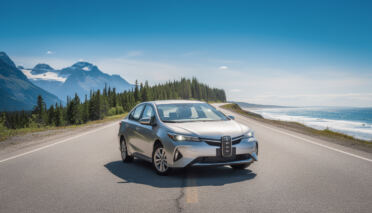
The hunt for a cheap car rental feels weirdly personal: one day you see a rate that looks totally fine, and the next day it’s jumped like it had espresso for breakfast. In 2026, it’s not just “demand goes up, prices go up.” It’s also dynamic pricing models, limited fleet availability in certain cities, airport concession fees, and travelers who book faster because plans change more often than they used to. The good news: there are patterns—predictable ones—if you know where to look. Timing matters, but not in the simplistic “always book early” way people love to repeat. Sometimes book early is smart; other times you pay more for the privilege of locking in too soon.
So what’s the best time to book if your goal is lower rental car prices? It depends on your trip type: holiday vs. random midweek, airport vs. neighborhood pickup, compact car vs. SUV, and whether you can walk away and check again tomorrow. We’ll use a simple thread through the whole piece: a fictional traveler named Maya, who has three trips coming up (a summer wedding, a work conference, and a last-minute family visit). Her choices show how real-world rental price trends behave—and how to grab better car rental deals without turning your life into a spreadsheet.
En bref
- 🗓️ For many regular trips, booking around 7–14 days out often beats locking in three months ahead, especially if you can re-check rates.
- 📈 Prices usually rise close to pickup for peak periods (holidays, school breaks), while off-peak can reward flexible, later bookings.
- 🏢 Airport pickups tend to carry extra fees; off-airport locations can unlock discount car rental options.
- 🔁 Reserve a cancellable rate, then re-shop—this is one of the simplest ways to capture drops in rental car prices.
- 🧾 Fine print matters: fuel policies, mileage limits, and add-ons can erase car hire savings fast.
- 👥 Groups often save with one vehicle versus multiple rideshares (especially when surge pricing hits).
Best time to book a car rental: the timing windows that actually move prices
Let’s talk timing without the myths. People love to say “always book early.” That can be true for flights, but a car rental is different because fleets shift between cities, companies adjust inventory constantly, and many reservations are cancellable—meaning the market is full of people holding a booking “just in case.” That behavior changes the math.
A useful rule for many everyday trips is this: check early, book something refundable, then keep watching. Why? Because for typical non-holiday travel, rates can soften as the pickup date gets closer—often around the 1–2 week mark—when companies see what demand really looks like. One consumer-focused analysis has found that reserving roughly seven days before pickup can come out notably cheaper than booking far in advance (think around three months), with average savings in the low-teens percentage range. In plain English: sometimes you paid extra just to “feel safe.”
Now, that doesn’t mean last-minute is always magic. For high-demand periods—summer weekends in resort towns, big events, long holiday breaks—inventory gets tight and rates climb. That’s when “early” finally earns its keep. In those situations, the best time to book is often 2–3 months out, and you still re-check for surprises. It’s less about a single perfect day and more about playing two tracks at once: secure availability early, then hunt for a better number later.
How Maya uses the “placeholder booking” strategy
Maya has a July wedding in a beach town. She knows hotels will fill up and car availability might get weird. She books a cancellable compact car about 10 weeks ahead—not because she thinks it’s cheapest, but because she wants a guaranteed ride.
Then she sets a calendar reminder to re-check at 30 days, 14 days, and 7 days out. At 14 days, she sees a slightly better rate with a different company. She switches. At 7 days, prices spike because a local festival got announced. Her move at 14 days ends up being the sweet spot. The key insight: timing isn’t a one-time decision; it’s a sequence.
Why “Tuesday booking” sometimes helps (and sometimes doesn’t)
You’ll hear advice like “book on a Tuesday.” Sometimes weekday patterns do show up—especially if certain platforms refresh promos early in the week. But don’t treat it like a law of physics. The more reliable tactic is to check on different days because promos and coupon codes rotate, and price tests can vary by day or even by device.
The insight to carry forward: the best timing is the one that matches your trip’s risk level—availability risk vs. price-drop opportunity—so next we’ll break down the forces that create those swings.
Rental price trends in 2026: what’s behind the spikes and drops in rental car prices
If you’ve ever watched rental car prices bounce around, you’ve seen dynamic pricing in action. In 2026, rental brands and aggregators are aggressive about adjusting rates based on real-time signals: local events, flight arrival volumes, hotel occupancy, even how quickly similar cars are being reserved.
One of the biggest drivers is plain inventory. A city can look “fine” for sedans but be almost out of minivans because a youth sports tournament is in town. That’s why two people booking the same weekend can experience totally different outcomes depending on vehicle class. When you’re chasing a low cost car rental, flexibility on car type can be as powerful as timing.
Airport vs. off-airport: fees change the story
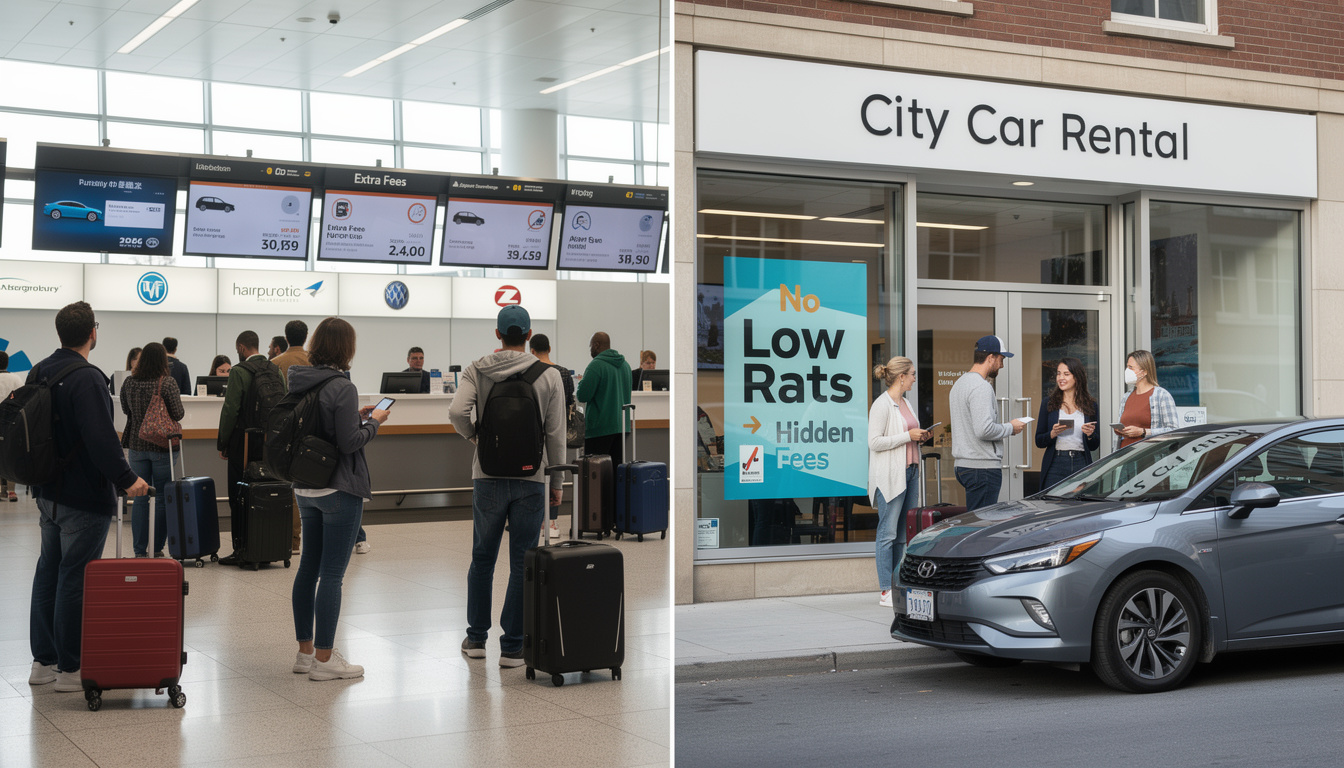
Airports are convenient, but they’re also fee-heavy. Many airports add concession charges, facility fees, and taxes that can make the same base rate look deceptively cheap at first glance. If you only compare the headline number, you might think you found a steal—then the total turns into a different beast at checkout.
Maya runs into this for her work conference. The airport rate looks competitive until she expands the full price breakdown. She checks a neighborhood location 12 minutes away by train. The total is meaningfully lower, and the pickup line is shorter. Her takeaway: the cheapest option is often the one with fewer layers of fees, not the one with the lowest base rate.
Day-of-week demand and length-of-rental effects
Weekend-heavy destinations push Friday pickup prices up. Business hubs often see Monday-to-Thursday patterns. Also, a three-day rental can price differently per day than a five-day rental—companies sometimes discount longer durations to stabilize utilization. So, if you can extend by one day (or shift pickup by a day), it can actually reduce the per-day cost.
A quick timing guide you can actually use
| Scenario | Best time to book target window | What to do | Watch-outs |
|---|---|---|---|
| 🏙️ Regular city trip (no big events) | 7–14 days | 🔁 Book refundable, re-check weekly | 📈 Last-minute can rise if inventory tightens |
| 🏖️ Peak season / holidays | 2–3 months | ✅ Lock availability early, re-shop later | ⛔ Waiting can backfire fast |
| ✈️ Airport pickup | 3–6 weeks (then monitor) | 🔎 Compare totals with fees included | 💸 Facility/concession fees inflate totals |
| 👨👩👧 Group travel needing SUV/minivan | 6–10 weeks | 🚗 Reserve early; these classes sell out | 📦 Limited fleet = sharper spikes |
| 🛠️ Replacement car after breakdown | Same week | ⚡ Check multiple platforms + local branches | 😬 Less choice; prioritize policies and fees |
Once you understand these mechanics, the next step is tactics—how to reliably trigger car rental deals and not get tricked by “cheap” prices that aren’t actually cheap.
Want a quick walkthrough of how travelers compare options across platforms and timing windows?
Cheap car rental tactics: how to stack discounts without getting burned
Getting a discount car rental isn’t about one secret promo code. It’s usually a stack of small wins: choosing the right pickup spot, selecting the right policy, and rebooking when the number drops. The real trap is focusing only on the daily rate. The real win is lowering the total while keeping your trip smooth.
Rebooking is the most underrated “coupon”
If your reservation allows cancellation, you can treat your first booking like a placeholder. Every time you check again, you’re basically asking, “Did the market calm down?” If yes, you rebook. If not, you keep what you have. That’s how Maya handles her family visit trip: she books a mid-size car for next weekend, then checks again two days later. The rate drops after a slow booking day, and she rebooks in under five minutes. That’s instant car hire savings without negotiating anything.
Don’t let add-ons eat your low cost car rental
Add-ons are where “cheap” rentals go to die. GPS rentals (when your phone already does it), prepaid fuel that doesn’t match your driving, extra driver fees, young driver surcharges, toll packages you don’t need—these can blow up your total. Read the fine print like you’re scanning a restaurant menu for hidden fees.
Practical checklist for better car rental deals
- 🔁 Book refundable when possible, then re-check prices at 30/14/7 days (or 14/7/3 for short trips).
- 📍 Compare airport vs. off-airport totals (include fees), not just the base rate.
- 🚗 Stay flexible on vehicle class: compact vs. mid-size can flip in price depending on fleet.
- ⛽ Choose the fuel policy you can control (often “full-to-full”) to avoid pricey refuel charges.
- 🧾 Confirm mileage limits, deposit rules, and after-hours return fees before you click pay.
- 🎯 Look for membership or corporate codes you legitimately qualify for (warehouse clubs, employers, unions).
- 📱 Check at least two platforms plus the company’s own site—promos rotate.
Rideshare vs. rental: the quiet math that changes everything
Rental cars can be surprisingly cost-effective when you’re doing multiple stops, traveling with a group, or visiting places where rideshare surge pricing is common. A couple of short rides might look cheaper than a day rental, until you add surge multipliers, booking fees, and tips—then repeat that five times in a day. For Maya’s wedding weekend with friends, one shared rental ends up being easier and cheaper than splitting into two cars of rideshares all weekend.
The insight here is simple: a rental can be a budget tool, not just a convenience. Next, let’s put that into a clear “when early beats late” playbook so you’re not guessing.
Want a deeper dive on booking ahead vs last-minute strategies?
Book early or wait: a realistic playbook for best time to book based on trip type
Here’s the honest truth: both strategies can be right, and the difference is risk tolerance. If losing availability would ruin your trip, you book early and treat later price drops as optional upside. If you’re flexible and traveling off-peak, waiting (while monitoring) can be the move.
When booking early is the smarter “insurance policy”
Booking early shines when supply is likely to be constrained. Think: minivans during school breaks, SUVs in ski towns, or any city hosting a huge convention. If you show up late to those markets, you won’t just pay more—you might end up with no car or a vehicle class you didn’t plan for. That’s not just inconvenient; it can cascade into higher costs elsewhere (extra taxis, missed reservations, wasted time).
For Maya’s beach wedding, early booking is insurance. She doesn’t want to be the person begging for a car on the day before the event. She locks something in, then shops for better pricing later. The point isn’t “early is cheaper.” The point is “early prevents disaster.”
When waiting wins (and how to do it safely)
Waiting works best for: weekday city trips, smaller airports with stable demand, and travel periods that aren’t tied to holidays. In those cases, rates can drop closer to pickup when companies realize they need to stimulate bookings. The trick is not to wait blindly. You set boundaries: if rates rise above your “pain threshold,” you book immediately.
A clean method is a two-step plan. Step one: book a cancellable option that you can live with. Step two: keep checking for a better deal, especially in the 7-day window where many travelers see the best outcomes for standard travel. This aligns with the broader idea that the best time to book is often closer in than people expect, as long as you’re not in a peak-demand scenario.
Micro-decisions that matter more than timing
Even if you nail timing, a few small choices can swing totals. Pickup time matters because after-hours fees can appear. Return location matters because one-way drop-offs can be expensive. Paying now vs. paying later can change cancellation flexibility and how easily you can capture a price drop.
So if you’re chasing a cheap car rental, don’t treat timing as the only lever. Combine it with smart pickup logistics and policy choices. The final insight: your best deal is the one you can still change, which is why we’re closing with the fine print and the protection side of the equation.
Fine print, coverage, and hidden costs: keeping your car hire savings real
Nothing kills car hire savings faster than surprise charges. Rental agreements are basically a menu of “optional” costs that become non-optional if you don’t plan. The goal isn’t to be paranoid—it’s to be intentional.
Insurance decisions: save money without gambling
Many travelers can skip the rental counter’s insurance products because they already have coverage through a personal auto policy or a credit card benefit. The catch is that coverage varies a lot by country, by card, and by vehicle type. Some credit cards cover collision damage but not liability. Some exclude certain vehicle classes. Some require you to decline the rental company’s coverage for the benefit to apply.
Maya does a quick pre-trip check: she calls her insurer, confirms coverage for rental vehicles, and verifies whether her credit card offers collision protection. At the counter, she declines add-ons she doesn’t need—without feeling rushed. That’s a quiet but real way to keep a low cost car rental actually low-cost.
Fuel, tolls, and deposits: the “death by a thousand cuts” category
Fuel policies are a classic trap. “Prepaid fuel” sounds convenient, but if you return with half a tank, you paid premium pricing for gas you didn’t use. “Full-to-full” is usually easiest to control, especially if you fill up near the return location and keep the receipt.
Toll programs can be worth it in heavy-toll regions if you’ll be driving a lot, but they can also be overpriced if your route is mostly local streets. Deposits matter too: your card might get a large hold, which can be annoying on travel-heavy weeks.
How to avoid getting blocked when searching for deals online
One practical 2026 reality: some booking sites use strict anti-bot protection. If you refresh too fast, use certain privacy settings, or browse with scripts blocked, you might see security prompts (like “enable cookies”) or temporary blocks. If that happens, slow down your searches, enable cookies for that site, or switch to the rental company’s direct site. It’s not “you did something wrong”; it’s automated defense systems doing their thing.
A final reality check before you click “confirm”
Before confirming, Maya does a quick mental audit: total cost with fees, cancellation terms, fuel policy, mileage, and coverage plan. It takes two minutes and prevents the kind of checkout shock that makes people swear off rentals forever. The key insight: the best deal is predictable, not just cheap-looking.
What is the best time to book a car rental for the lowest price?
For many non-peak trips, a strong target is about 7–14 days before pickup, especially if you’re able to re-check and rebook. For peak periods (holidays, school breaks, major events), locking in 2–3 months ahead often protects you from inventory shortages and price spikes.
Should I book early or wait for last-minute car rental deals?
If availability matters a lot (SUV/minivan needs, resort towns, holiday weekends), book early with a cancellable rate and monitor. If you’re traveling off-peak and can be flexible, waiting—while watching rental price trends—can sometimes land better prices closer to pickup.
How do I find a cheap car rental without hidden fees?
Compare total price (including airport fees), pick a controllable fuel policy (often full-to-full), read mileage and after-hours rules, and be cautious with add-ons like toll bundles, extra driver fees, and prepaid fuel. A low base rate isn’t a bargain if the extras inflate the final bill.
Is it cheaper to rent at the airport or off-airport?
Off-airport can be cheaper because it may avoid certain facility and concession fees common at airports. The trade-off is convenience. Always compare totals, not just the headline daily rate, to spot the real discount car rental option.
Can renting a car be cheaper than rideshares?
Yes—especially for groups, multi-stop days, or areas with surge pricing. One rental can replace several paid rides (each with fees and tips), which often makes the car rental the more cost-effective choice overall.