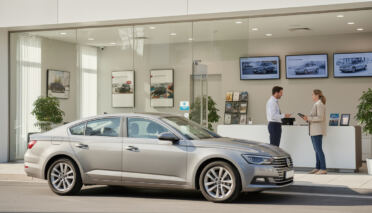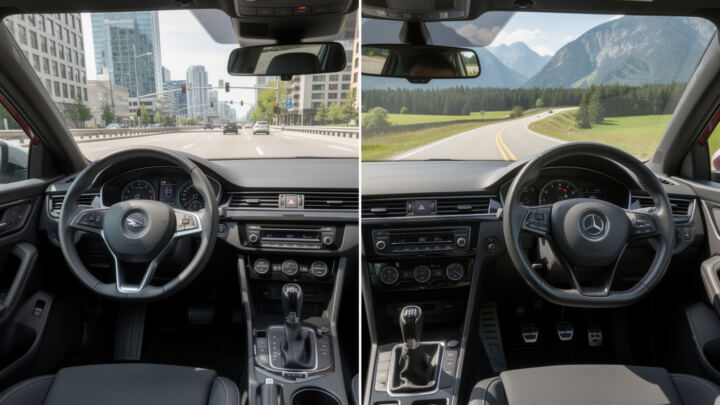
Picking between automatic and manual rental cars sounds like a simple checkbox on a booking form—until you land in a new country, meet a surprise mountain road, or hit stop-and-go traffic that makes your left leg hate you. The truth is, this choice quietly shapes your whole trip: how relaxed you feel behind the wheel, how much you spend, and even what cars you can realistically get at the airport. In many places, the “default” transmission is tied to local driving culture and fleet reality, not your personal taste. That’s why travelers who treat it like a quick decision sometimes end up paying more than expected—or settling for a vehicle that doesn’t match their driving preferences.
There’s also a timing factor. As more drivers globally learn on automatics and cities get busier, demand patterns have shifted since the early 2020s, but availability still depends heavily on region. Manuals can be plentiful and cheaper across big chunks of Europe and parts of South America, while automatics dominate in North America and Australia. Meanwhile, newer automatics have closed the gap on fuel efficiency, so “manual saves gas” isn’t the slam-dunk argument it used to be. The smart move now is to combine a cost comparison with an honest look at where you’ll drive, how long you’ll drive, and what kind of driving experience you actually want.
En bref
- ✅🚗 If you’re renting in the US, Canada, or Australia, automatic is usually the easiest and most available choice.
- ✅💶 In many parts of Europe, manual fleets are larger, and automatics can carry a noticeable premium.
- ✅⛽ Modern transmission types are close on fuel efficiency; comfort and traffic matter more than they used to.
- ✅🧠 Your license and confidence level should outweigh ego—stress costs money too (missed exits, stalled engines, avoidable dents).
- ✅📅 Book early if you want a specific transmission; last-minute “or similar” often means “whatever is left.”
- ✅🧳 For long trips and heavy city traffic, automatic usually wins for fatigue and focus.
Automatic vs manual rental cars: how the transmission choice changes your trip
Let’s get real: the first 15 minutes after you pick up the keys sets the tone. With a manual, you’re juggling clutch bite point, unfamiliar gear ratios, and sometimes a hill-start on the way out of the car park. With an automatic, you’re mostly thinking about mirrors, signage, and not accidentally turning into the bus lane. That difference is why the “best” option is less about internet debates and more about what you’ll be doing day-to-day.
Here’s a simple way to frame it: manual driving gives you direct control over gear selection, which can feel engaging on winding roads or steep terrain. Some drivers love that. But it also adds workload—especially in dense urban areas where you’re constantly creeping, braking, and shifting. An automatic reduces the moving parts in your brain, letting you focus on navigation, pedestrians, scooters, and all the little rules that vary by country.
Two travelers, same destination, totally different outcomes
Imagine Mia and Sam landing in Milan for a week. Mia rents a small manual because it’s cheaper and common there. She’s confident with stick shift at home, but the first evening she hits a crowded roundabout plus aggressive scooters and stalls once. No crash, but her stress spikes and she avoids driving into the city center after that. Sam pays extra for an automatic, cruises through traffic with less mental load, and uses the car more often—night trips, spontaneous lake day, no hesitation.
Same destination, different driving experience. That’s the point: the transmission affects how much you actually use the car you’re paying for.
Where “manual is normal” still matters
In a lot of Europe—think Germany, France, Italy—manual cars often dominate fleets. That doesn’t mean you can’t get an automatic; it just means you may have fewer models to pick from and a higher rate. In the United States and Canada, it flips: automatics are the default and manuals can be rare or limited to niche categories. Australia also leans strongly automatic, especially in major cities. The UAE tends to have plenty of automatics in rental lineups, while in places like Egypt you may find manuals more prevalent and cheaper in the mainstream categories.
The insight to carry forward: your trip doesn’t start at “which transmission do I prefer?” It starts at “what’s normal and available where I’m going?” That sets up the next piece: money.
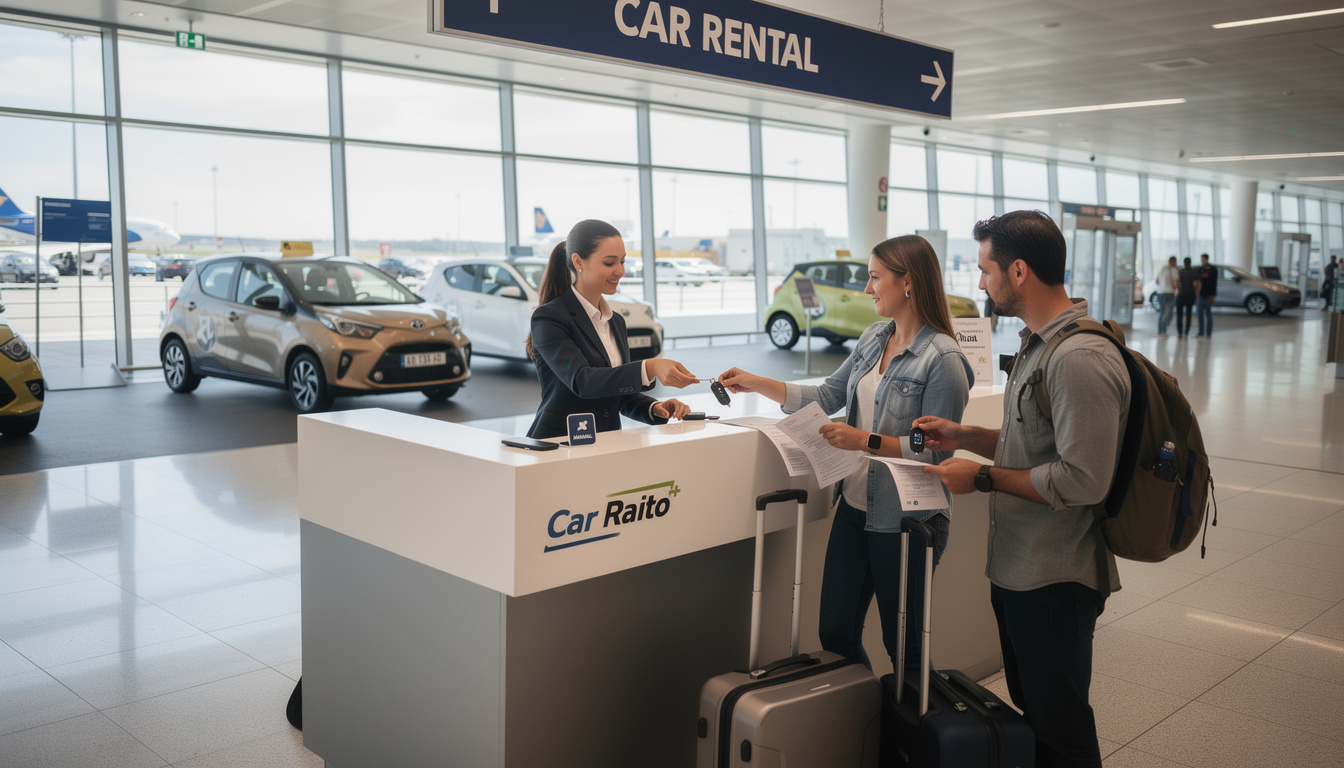
Manual vs automatic car hire cost comparison: what you really pay for (and when)
Most people start with price, because it’s visible and measurable. Typically, manual car hire is cheaper in regions where manuals are common, partly because fleets are stocked that way and partly because maintenance and turnover are straightforward for rental operators. Automatic cars often cost more per day, especially in high-demand cities or peak travel periods, because demand is strong and supply can be tighter in certain markets.
But here’s the sneaky part: the daily rate isn’t the whole story. The transmission choice can change your exposure to extra costs—like clutch damage disputes, fatigue-related mistakes, or the need to upgrade categories to get the transmission you want.
A practical table: comparing manual and automatic rental cars
| Factor | Manual car | Automatic car |
|---|---|---|
| Daily rental price | 💰 Usually lower, more budget-friendly | 💳 Often higher for convenience |
| Availability by region | 🌍 Common across many European and some emerging markets | 📍 Standard in North America & Australia; can be limited elsewhere |
| Fuel efficiency | ⛽ Can be slightly better in some models | ⚙️ Modern automatics are very efficient now |
| Comfort in traffic | 😓 More effort in stop-start driving | 😌 Easier, less tiring in cities |
| Best fit | 🎯 Experienced drivers watching the budget | 🧭 Travelers prioritizing low-stress driving |
Fuel efficiency: the old arguments don’t hit the same anymore
Back in the day, manual transmissions had a clearer efficiency edge. With today’s tech, that gap is usually small in everyday rental categories. Depending on the vehicle, a modern automatic can be extremely optimized for real-world conditions. So if you’re choosing manual purely for fuel efficiency, you might be chasing a savings that gets wiped out by one wrong turn, one extra hour in traffic, or one stressful day where you avoid driving altogether.
A better approach is to treat the fuel question as a tiebreaker, not the headline. The bigger question is: will shifting add friction to your trip, or will it make it more fun?
Hidden cost: “I’ll take the cheap manual” can backfire
Picture a hilly coastal town, tight parking, and a loaded car. If you’re rusty on manual driving, you might ride the clutch on inclines or stall in awkward spots. Beyond embarrassment, that can lead to wear or damage claims. Rental companies vary, but clutch issues are one of those gray areas that can turn a “cheap deal” into a painful bill. The final takeaway here is simple: the cheapest rate isn’t always the cheapest outcome. Next, let’s talk about how location and road conditions push the decision one way or the other.
If you want to see how travelers compare these choices in real life, it helps to watch a few rental walkthroughs before you book.
Choosing the right transmission types by destination: Europe, North America, UAE, Egypt, and beyond
Destination isn’t just a backdrop; it’s a constraint. It decides what’s parked on the lot, what’s “standard,” and what you’ll pay if you go against the local norm. This is why your transmission decision should start with geography and only then move to personal taste.
Europe and South America: manuals often rule the mainstream categories
In many European countries, manual cars still make up a huge part of rental fleets. That’s why you’ll often see better variety and better pricing in manual categories. Automatics exist, but you might need to book earlier, accept fewer model options, or pay a premium—especially around holidays, big sporting events, or summer travel peaks.
The practical effect is that travelers used to automatics sometimes end up in a larger vehicle class than planned because “automatic” is tied to mid-range or premium fleet segments at that location. That’s not inherently bad, but it changes parking ease, toll costs in some places, and even fuel spend depending on the model.
North America and Australia: automatic is the default assumption
In the US and Canada, renting an automatic is basically the path of least resistance. Manuals are rare and sometimes limited to specialty vehicles, if available at all. Australia is similar, with automatics heavily represented in city fleets. If you’re traveling there, a manual preference can feel like asking for a niche product; it may exist, but it’s not guaranteed and not always cheap.
Middle East and North Africa: mixed norms, big pricing differences
Places like the UAE commonly offer automatics across a wide range of categories, which matches local driving patterns and the kinds of cars that dominate the roads. In Egypt, you may find manuals more prevalent in the most budget-friendly options. That can be great if you’re comfortable shifting, but it’s also a place where traffic intensity makes an automatic feel like a sanity purchase for many travelers.
City size and traffic: your left leg vs reality
Even within the same country, the city you’re driving in changes everything. Heavy traffic in cities like London, New York, or Dubai makes an automatic feel like a relief because you’re not constantly working the clutch. Smaller towns and quieter routes can make a manual feel easy and even enjoyable. Ask yourself: are you doing urban commuting, or mostly scenic roads?
This is where driving preferences get specific: not “I like manuals,” but “I like manuals when I’m not crawling in traffic for an hour.” That nuance leads nicely into comfort, fatigue, and control—the human side of the decision.
To get a feel for what pickup day is like in different regions, watching airport rental experiences can be surprisingly helpful.
Driving experience and comfort: city traffic, highways, mountains, and long days behind the wheel
The transmission you pick changes how tired you get, how confident you feel, and how much attention you have left for everything else—navigation, road signs, cyclists, local etiquette, and that one confusing intersection you didn’t expect. If your goal is a smooth vacation rhythm, comfort matters as much as price.
City driving: where automatic usually earns its keep
In stop-and-go traffic, an automatic is simply easier. You’re not doing a constant dance between clutch, brake, and first gear. That reduction in workload lowers fatigue and helps you keep your eyes up, which is huge when you’re driving somewhere unfamiliar. It’s not about being “lazy”; it’s about minimizing distractions.
For a concrete example, think of a traveler arriving after an overnight flight, picking up the car, and driving into central London for a hotel check-in. A manual in that moment can feel like a juggling act. An automatic lets you focus on lane markings, buses, and one-way systems. That’s a better safety equation.
Highways and long road trips: convenience vs engagement
On highways, both transmission types can be comfortable, but the feel is different. Manual drivers sometimes enjoy the sense of control—downshifting for a pass, choosing gears on rolling terrain. Automatics, meanwhile, tend to make long distances more relaxing, especially when you’re also managing passengers, playlists, snacks, and a packed itinerary.
One underrated point: if multiple people will drive, an automatic often makes driver swaps easier. Not everyone in the group may be confident with a clutch, and nobody wants a tense moment when the “second driver” is suddenly responsible for a manual in a busy area.
Mountains, steep roads, and rough terrain: control can matter
Manual cars can shine on steep grades because the driver chooses exactly when to hold a gear and how to use engine braking. That said, many modern automatics include manual modes, sport modes, and good hill-hold features. So the old idea that automatics can’t handle challenging roads is increasingly outdated—though capability still depends on the specific model.
Here’s the honest question: do you want control because you’ll use it skillfully, or because it sounds like the “serious driver” option? If you’re not comfortable, that “control” can turn into mistakes and stress.
Car rental tips that actually reduce stress
- 🗺️ Build a “first 10 minutes route” out of the rental area that avoids tricky junctions.
- 📸 Take photos of the dashboard and gear selector at pickup—helps if there’s any dispute later.
- 🧾 Confirm the transmission in writing on your booking and at the counter, especially if it says “or similar.”
- 🧠 If you haven’t driven a manual in years, practice before your trip—or don’t make your vacation the practice session.
- ⛽ Ask what fuel type the car takes and where the release lever is—simple, but it saves headaches.
If you’re still torn, the deciding factor often comes down to what you value more: effortless comfort or hands-on involvement. Next up: how to book smart so you actually get what you chose.
Booking manual or automatic rental cars: availability traps, guarantees, and smart moves
This is the part people underestimate: selecting “manual” or “automatic” on a website doesn’t always mean you’ll get it, especially when the listing says “vehicle shown as example” or “or similar.” Rental companies manage fleets dynamically. If you want a specific transmission, you need to treat it as a requirement and plan around how fleets work in that location.
Why “or similar” can quietly change your transmission
Some booking categories are built around size/class rather than exact specs. In destinations where manuals dominate, the “compact” class might mostly be manual, and an automatic could be a limited subset. In automatic-dominant regions, it can be the reverse. If you show up late, or during peak arrivals, the counter agent may have limited flexibility, and “similar” can mean “different transmission, same-ish size.”
The fix is simple but boring: book earlier, pick an explicit transmission filter, and re-check your confirmation email for the exact wording.
A realistic strategy: align your booking with local norms
If you’re going to a place where automatics are limited (common in parts of Europe), don’t leave it to chance. Reserve the automatic early, and be prepared for a higher daily rate. If you’re heading to the US or Canada and you want a manual for fun, look for specialty providers or specific model guarantees—otherwise you might waste time searching the lot for something that just isn’t there.
Long-term rentals and daily commuting
For longer rentals—think a month of commuting, extended work travel, or a multi-country road trip—fatigue compounds. That’s why many long-term renters lean automatic: fewer micro-decisions every minute, especially in traffic. Manuals can still make sense if budget is tight and the routes are calmer, but long-term comfort is worth pricing honestly.
One more thing: license rules can override everything
In many jurisdictions, if you passed your driving test in an automatic-only license category, you can’t legally drive a manual. That’s not a rental company preference; it’s a legal constraint. So before you compare rates, confirm what your license allows where you’re traveling. It’s the least exciting check you’ll do—and the one most likely to save your trip.
The key insight: the best transmission is the one you can confidently drive, actually obtain at pickup, and enjoy for the whole itinerary. Now let’s tackle the common questions people ask right before they click “Book.”
Can I request a specific transmission type when renting a car?
Usually yes. Most booking platforms let you choose automatic or manual, but it’s only truly reliable if your confirmation explicitly states the transmission. If the listing says “or similar,” availability at pickup can still affect what you get—so book early and double-check the confirmation details.
Is it cheaper to rent a manual or an automatic car?
In many markets where manuals are common (often parts of Europe and some developing rental markets), manual rental cars tend to be cheaper. Automatics often cost more due to demand and limited stock in those locations. In automatic-dominant regions like the US, the price gap can be smaller because automatics are standard.
Which transmission is better for long road trips or long-term rentals?
For long trips, automatics are frequently the comfort pick because they reduce fatigue, especially in traffic-heavy areas and daily commuting. Manuals can still be great for experienced drivers on scenic routes, but if you expect congestion or you’ll be driving every day, automatic is often the more relaxing option.
Does choosing manual instead of automatic improve fuel efficiency?
Sometimes, but the difference is usually modest with modern vehicles. Many newer automatics are highly efficient, so fuel efficiency is better treated as a tie-breaker rather than the main reason to choose a transmission. Comfort, availability, and your driving experience usually matter more.