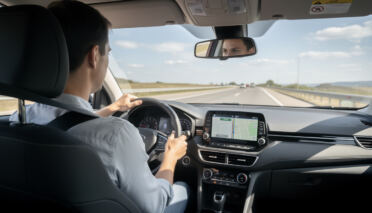
En bref
- 🚗 Pick a car rental that actually matches your trip: passengers, bags, terrain, and comfort.
- 💸 Lock in savings by comparing car rental discounts, avoiding surprise add-ons, and checking total cost (not just the daily rate).
- 🛡️ Understand rental car insurance before you reach the counter, so you don’t panic-buy coverage you don’t need.
- ⛽ Don’t get burned by the fuel policy; “full-to-full” is usually the simplest win.
- 🧾 Do a serious vehicle inspection (photos + video), then repeat it at drop-off.
- 🧭 Set up navigation tools (offline maps + toll/LEZ awareness) and learn local driving laws fast.
- 🅿️ Use street smarts and parking tips to avoid tickets, towing, and “where did my car go?” moments.
- 🔁 If you’re doing a one-way route, confirm drop-off rules and fees upfront—some companies make it way easier than others.
Landing in a new city can feel like stepping into a movie set where everyone else somehow knows the script. The sidewalks move fast, the road signs look “almost familiar,” and your phone is at 12% because you used it to find coffee, your hotel, and that one museum everyone swore you couldn’t miss. That’s exactly why renting a car can be the best decision—or the one that quietly drains your budget through fees, fuel confusion, and a parking ticket that shows up three weeks later.
The good news: you don’t need to be a travel wizard to rent smart. You just need a few practical travel tips that cover the real-life stuff: what kind of car to choose, how to handle insurance without getting pressured, how to avoid the most common counter traps, and how to drive like you belong there (without pretending you do). To make this feel less abstract, we’ll follow Mia—who’s juggling a work meeting, a weekend detour, and a tight schedule—because real trips are messy, and that’s where the best rental strategies actually matter.
Smart car rental planning in a new city: choose the right vehicle and avoid instant regret
Start with the question nobody asks out loud: what’s the job of this car? Mia’s first mistake on a previous trip was booking a “cool-looking” SUV for a dense downtown. It guzzled fuel, didn’t fit in most garages, and made every narrow turn feel like a mini exam. This time, she treats her car rental like a tool, not a trophy.
Trip purpose drives everything. A solo business trip with meetings across town usually screams “compact or midsize”—easy to park, easier on fuel, and less stressful in traffic. A family road trip is different: you’ll want space for child seats, strollers, and the kind of luggage that somehow multiplies. If your plan includes scenic drives, beach gear, or a couple of day trips, a crossover might be the sweet spot between comfort and city-friendliness.
Passengers, luggage, and comfort: be realistic, not optimistic
People routinely underestimate luggage. If you’re traveling with two coworkers and everyone has a roller bag plus a backpack, a “standard sedan” can feel like a game of Tetris you didn’t consent to. A good rule: if you’ll fill the trunk on day one, size up. You’ll thank yourself when you buy souvenirs or grab groceries.
Comfort isn’t just luxury; it’s fatigue management. After a long flight, a car with good visibility, supportive seats, and easy controls reduces the chance you’ll make sloppy decisions. That matters more in a new city, where your brain is already busy decoding signs and intersections.
Terrain, weather, and the “don’t be a hero” factor
If you’re heading into mountains, snow, heavy rain seasons, or rough rural routes, consider AWD/4WD. Not because it turns you into a rally driver, but because it adds stability when conditions turn. In flat urban areas with well-maintained roads, you’re usually fine with a standard model and good tires. Also: in hot climates, strong A/C isn’t optional; in colder regions, heated seats can be the difference between “fine” and “miserable.”
Fuel efficiency and the budget you’ll actually feel
Fuel costs add up fast, especially if your “quick errands” become a 200-mile day trip. Hybrids and efficient compacts can save real money at the pump, and in 2026 many rental fleets include newer models with decent mileage even in the SUV category. If cost is your priority, target the best efficiency you can tolerate. If comfort or cargo space matters more, choose bigger—just do it knowingly, not accidentally.
Set a budget that includes more than the daily rate. Think: insurance, deposits, tolls, parking, fuel, and extras. That’s where a “cheap” booking can quietly become expensive. The insight to keep: the best rental is the one that matches your trip’s reality, not your trip’s fantasy.
Now that the car itself makes sense, the next step is keeping the deal clean—because pricing is where most travelers get surprised.
Car rental discounts, hidden fees, and booking strategy: how to pay less without getting a worse deal
Mia’s method is simple: she compares like-for-like, and she reads the fine print when she’s calm—not at the counter with a line behind her. That alone saves money and stress. The big trap is focusing only on the daily rate. Rental pricing is a puzzle made of base cost, taxes, location surcharges, mileage rules, and add-ons that appear late in the process.
Where to find real savings (and what “discount” even means)
Car rental discounts can come from memberships (auto clubs, warehouse clubs), employer codes, airline/hotel loyalty programs, and credit card travel portals. A discount isn’t always a lower price; sometimes it’s a better package—like a second driver included, reduced young-driver fees, or a more flexible cancellation policy.
One underrated move: check whether the rental location’s website links out with transit icons (like flight or bus symbols) that help you time pickups or match travel connections. It sounds small, but if you’re landing late, a missed connection can trigger after-hours fees or force you into a pricier airport counter alternative.
Extras that inflate the total: pick what you need, skip what you don’t
Common upcharges include GPS units, toll transponders, child seats, satellite radio packages, and “premium roadside” plans. Some are useful, some are overpriced, and some are redundant because your phone already does the job. If you’re traveling with kids, bringing your own seat can save money (and you know its history). If you need toll coverage, evaluate the pass rules carefully: some programs charge per day even if you don’t pass a single toll.
Watch for fee categories that sound harmless but sting: additional driver fees, underage driver surcharges, and location fees (airport rentals can carry extra taxes). Sometimes picking up downtown and returning at the airport is cheaper overall than the reverse; sometimes it’s the opposite. Run both scenarios before you commit.
A quick comparison table you can actually use
| Factor | What to check | Why it matters |
|---|---|---|
| 💸 Total price | Taxes, surcharges, add-ons, deposit | A “cheap” rate can cost more after fees |
| ⛽ Fuel policy | Full-to-full vs prepaid vs “return empty” | Wrong choice = paying premium fuel prices |
| 🛣️ Mileage | Unlimited vs capped miles | Road trips can trigger per-mile charges |
| 🧾 Cancellation rules | Deadline, no-show penalties | Plans change; flexibility saves money |
| 🅿️ City suitability | Car size, turning radius, visibility | Parking and stress level change dramatically |
One last booking tactic: reserve early, then re-check prices. Rates move. If cancellation is free, you can rebook when prices drop. The key takeaway: your best deal is the one with the lowest total cost for your exact trip, not the prettiest headline rate.
Once you’ve booked smart, you’re ready for the part where people get pressured: insurance and liability. That’s where staying cool really pays off.
If you want a quick explainer you can watch while waiting at baggage claim, this helps:
Rental car insurance and paperwork: what to accept, what to decline, and how to stay protected
The counter is designed to be fast, and fast is where expensive mistakes happen. Mia’s rule: she decides on rental car insurance before she lands. That way, she’s not making decisions while tired, hungry, and mildly intimidated by a clipboard.
Understand the core coverage types (in plain English)
Collision Damage Waiver (CDW/LDW) usually covers damage to the rental car (and sometimes theft), but it’s not always “everything, no questions asked.” There can be exclusions—like driving on unpaved roads, leaving keys in the car, or not reporting incidents properly. Liability coverage relates to damage or injuries you cause to others. Depending on where you are, the included minimum may be low, and that’s where supplemental liability can matter.
Personal Accident Insurance and Personal Effects Coverage are often less essential if you already have health insurance and your belongings are covered elsewhere. The point isn’t “never buy add-ons.” The point is “buy them because they solve a real gap.”
Use what you already have—carefully
Some credit cards offer rental coverage if you pay with the card and decline the agency’s CDW. Policies vary, and eligibility can depend on the country, the vehicle type, and whether the coverage is primary or secondary. If you rely on card coverage, keep the benefits guide accessible and understand the claims steps. Many claims fail because people don’t collect documents like the rental agreement, incident report, or repair estimate.
Also check your personal auto insurance (if you have it). It may extend to rentals, but again: verify the location, vehicle class, and exclusions. This is one of those “15 minutes at home saves 3 hours later” moves.
Documents and details that prevent headaches
Bring your driver’s license, a credit card in the main driver’s name, and any required ID for the country. If you’re traveling internationally, confirm whether you need an International Driving Permit. It’s not a “nice to have” in places that require it; without it, you might be denied the car or face trouble if you’re pulled over.
Before you sign, scan for: deposit amount, authorized drivers, mileage rules, border/out-of-state restrictions, and the fuel policy. If you’re planning side trips, ensure you’re allowed to take the car where you want to go. Some companies require explicit permission for out-of-state travel.
Mini checklist for the counter (use it every time)
- 🛡️ Confirm what coverage is included vs optional, and what you already have
- 🧑🤝🧑 Add drivers now (sneaking drivers later can void coverage)
- ⛽ Repeat the fuel policy out loud and make sure it matches the contract
- 🧾 Ask about deposits and how long refunds take
- 📍 Confirm drop-off address and hours (especially for early returns)
Insurance and paperwork aren’t glamorous, but they’re the foundation. The insight: you’re not buying “peace of mind” at the counter—you’re confirming it.
With the legal and financial stuff handled, it’s time to talk about the real-world moment: grabbing the keys, checking the car, and surviving the first 10 minutes on unfamiliar roads.
Vehicle inspection, fuel policy, and pickup logistics: the five minutes that save you hundreds
The easiest way to lose money on a rental is to skip the boring part. Mia doesn’t. She treats pickup like a quick audit. Not because she expects trouble, but because misunderstandings happen constantly in high-volume rental lots.
Do a proper vehicle inspection (photos + video, not vibes)
A vehicle inspection should be systematic. Walk around the car slowly and look at bumpers, wheel rims, mirrors, and the windshield—those spots get damaged a lot. Take wide shots to prove context and close-ups for details. A short video that captures the whole exterior, then the interior, is gold if a dispute appears later.
Inside, check seats, dashboard alerts, and the trunk. If anything is missing (spare tire kit, parcel shelf) or anything looks off, flag it before you leave. Make sure the damage is marked on the checkout form or in the app if the company uses digital check-out.
Fuel policy: pick the option that doesn’t punish you
The fuel policy is where many renters get clipped. “Full-to-full” is usually the simplest: you receive a full tank and return it full. Prepaid fuel can work if you’re genuinely going to return close to empty, but that’s harder than it sounds—especially when you’re trying to catch a flight and you’d rather not gamble on a last-minute gas station. “Return empty” programs often include premium pricing, and you end up paying for convenience you didn’t need.
Mia’s trick is practical: she finds a gas station near the return location on day one and saves it. That way she’s not searching under pressure on the final day.
Pickup and drop-off logistics: don’t let the city confuse you
Large metro areas can have multiple branches close together. Verify the exact address and entrance. In busy districts, two locations might be five minutes apart but on different one-way streets, which turns drop-off into a stressful scavenger hunt. If you’re doing an early-morning return, confirm key drop procedures and take timestamped photos of the parked car and fuel gauge.
One-way rentals: freedom with fine print
Returning your rental to a different branch (a one-way rental) can be a lifesaver when your route is linear—arrive in one city, leave from another. The catch is that many companies charge a drop fee or adjust the rate, especially across state lines. The smart move is to select the one-way option at booking, not improvise later.
Here’s a clean overview of common one-way policies and mileage notes so you can plan:
| Company | One-way drop-off | Mileage note |
|---|---|---|
| 🏁 National | Fee may apply, but selecting one-way during reservation can reduce/avoid certain drop fees | Unlimited mileage often tied to membership terms |
| 💼 Budget | Available at select locations; fee may apply; out-of-state may need permission | Unlimited miles on many rentals (varies by location) |
| 🏷️ Dollar | Often available; drop fee varies; out-of-state can add cost | Unlimited mileage at some locations |
| ✅ Hertz | One-way generally available widely | Unlimited mileage on most rentals |
| 🔁 Enterprise | Only at certain locations; extra fees possible | Unlimited mileage for most standard classes |
| 🚫 Zipcar | Typically round-trip model in North America | Daily mileage included up to a cap; fees after |
Once the car is inspected, the fuel plan is clear, and the route is feasible, you’re ready for the real challenge: driving and parking like you’re not new here—without doing anything reckless.
Local driving laws, navigation tools, and parking tips: how to drive confidently (and avoid expensive surprises)
This is where the new city part really hits. Rules can change block by block: bus lanes, turn-on-red restrictions, congestion zones, school streets, and speed cameras that don’t care that you’re “just visiting.” Mia’s approach is not to memorize everything, but to focus on the high-impact stuff that triggers tickets, towing, or collisions.
Local driving laws that catch visitors off guard
Local driving laws vary wildly. In some places, right turns on red are normal; elsewhere, they’re illegal unless explicitly allowed. Some cities enforce strict yielding rules for pedestrians and cyclists with heavy penalties. Others have “no left turn” corridors during peak hours. And then there are low-emission zones (common in major cities) where entering without the proper registration can lead to fines later.
Before Mia drives, she checks three things: speed limit conventions (especially if signs are different), mobile phone rules (hands-free requirements), and priority rules at intersections/roundabouts. Ten minutes of reading can prevent a month of administrative back-and-forth.
Navigation tools that reduce stress, not increase it
Your phone is powerful, but only if it’s prepared. Mia sets up navigation tools with offline maps as backup, because tunnels, parking garages, and dead zones happen. She also downloads the local transit/traffic app when available, since it can flag road closures and event detours faster than generic maps.
She pairs navigation with a charging plan: a proper car charger and a cable that actually works. A dying phone turns a simple drive into a guessing game, and guessing is how you end up in a bus-only lane.
Parking tips that save your day (and your deposit)
Bad parking decisions are the fastest way to sour a trip. Mia’s parking tips are practical:
- 🅿️ Choose garages when street signage feels unclear—tickets cost more than convenience
- 📍 Save your parking location with a pin and a photo of the nearest sign/level marker
- ⏱️ Set a timer for meter expiry; “I forgot” isn’t a defense anywhere
- 🚫 Avoid “special event” zones (stadiums, parade routes) unless you’re sure towing isn’t scheduled
- 🔒 Don’t leave anything visible—tourist cars are obvious, even without stickers
In dense downtowns, sometimes the smartest move is to park once and walk or take transit for the inner core. A rental car is freedom, but it’s also a responsibility you’re paying for every hour it sits somewhere risky.
A quick story that proves the point
On her last evening, Mia considered parking “just for five minutes” near a busy restaurant strip. The signs were layered: resident permits, loading windows, and a night restriction. She chose a garage two blocks away. When she walked back, she saw a tow truck lifting another car from that exact curb. That $14 garage ticket suddenly felt like a bargain.
The final insight: in a new city, calm driving and smart parking beat aggressive shortcuts every time.
What’s the easiest fuel policy to manage when renting a car in a new city?
For most travelers, full-to-full is the simplest: you pick up with a full tank and return it full. Save a nearby gas station on day one, refuel close to return time, and take a quick photo of the fuel gauge at drop-off to avoid disputes.
Should I buy rental car insurance at the counter?
Only if it fills a real gap. Decide before you arrive by checking your personal auto policy (if any), your credit card rental coverage, and what the rental company includes by default. If you do buy coverage, confirm exclusions (like unpaved roads or key loss rules) so you’re not surprised later.
How do I handle one-way rentals without getting hit by huge fees?
Select the one-way option during booking, then compare total costs across companies and locations. Drop fees and rate changes are common, especially across states. Also confirm that your chosen company has a convenient drop-off branch and verify the exact address to avoid ending up at the wrong location.
What should I document during the vehicle inspection?
Take wide photos of each side, close-ups of any scratches/dents, shots of wheels and windshield, plus a short walkaround video. Inside, snap the odometer and fuel gauge. Make sure any existing damage is recorded on the agreement or in the rental app before you leave the lot.
What navigation tools should I set up before driving away?
Use a primary map app plus offline maps as backup, enable live traffic, and bring a reliable car charger. If the city has toll roads or low-emission/congestion zones, set your route preferences and learn the local rules so you don’t accidentally drive into a restricted area.